
Single Hung Windows for Brampton Homes
Choosing single hung windows is not only a design decision. The right window solution affects comfort, appearance, ventilation, natural light, energy performance, maintenance and the long-term feel of a property. Proline Doors & Windows works with homeowners in Brampton and surrounding communities to help compare practical options instead of choosing on appearance alone.
Every property is different. Existing openings, wall construction, exposure to sun and wind, interior layout, privacy expectations and budget can all change the best solution. The most useful approach is to match the window and installation method to the building rather than forcing a standard choice into every situation.
What to Consider Before Choosing Single Hung Windows
Start with the purpose of the project. Some homeowners want better comfort and energy performance, while others are focused on appearance, easier operation, more daylight, ventilation or a cleaner modern design. Make a short list of priorities before comparing products. This keeps the selection process focused and helps avoid paying for features that do not solve a real need.
The condition of the existing opening is equally important. Older frames, trim, surrounding finishes and previous repairs can affect the scope of work. Measurements should be taken carefully, and the surrounding area should be reviewed for signs of movement, moisture or damage. A good plan considers both the new window and the surface it will be installed into.
Materials, Frames and Finish Options
Window materials influence appearance, maintenance, durability and thermal behaviour. Depending on the product, options may include vinyl, aluminium, fibreglass or combinations of materials. Finishes, frame profiles and glass choices can then be used to coordinate the product with the rest of the property.
Colour should be considered in both interior and exterior context. A finish that looks good on a sample may appear different beside brick, siding, stone, flooring or interior paint. Hardware should also be selected for regular use, not only appearance.
Energy Efficiency and Canadian Climate
Brampton properties experience cold winters, warm summers and large seasonal temperature changes. That makes air sealing, glazing, insulation and installation quality important. Energy performance is not determined by one feature alone. Frame construction, glass configuration, spacers, weather seals and the quality of the perimeter seal all work together.
Low-emissivity coatings, insulated glass units and appropriate glazing configurations can help manage heat transfer. The best choice depends on orientation, amount of glass, room use and comfort goals. A window with strong published specifications can still underperform if the opening is poorly prepared or the installation leaves gaps.
Ventilation, Safety and Everyday Use
A window should be comfortable and intuitive to use. Think about who will operate it, how frequently it will be opened, whether children or older family members use the space, and whether furniture or circulation paths could interfere with operation.
Safety glazing, secure locking points, proper fastening and suitable hardware may be important depending on location and application. The goal is to create a solution that looks appropriate while still working well in normal daily use.
Planning the Installation
Good installation starts before the installer arrives. Confirm the product, opening dimensions, configuration, finish, hardware, glass and expected scope. Clear furniture, curtains, blinds and fragile objects away from the work area. If access is needed from both inside and outside, make sure pathways are available.
During installation, the opening should be prepared so the new assembly sits correctly and can be fastened and sealed as intended. Alignment matters because a window that is slightly out of square can affect operation, locking and long-term wear.
Maintenance and Long-Term Care
Routine care is usually simple but should not be ignored. Keep tracks, drainage paths, hinges and moving hardware free of dirt. Clean glass and finished surfaces with products appropriate for the material. Avoid aggressive chemicals or abrasive tools unless the manufacturer specifically allows them.
Seasonal checks are useful. Look for damaged weather seals, loose hardware, difficult operation or changes around caulking and trim. Small maintenance issues are easier to address before they affect comfort or cause damage.
How to Compare Quotes
Compare scope, not just price. Two quotes can look similar while including different products, glass packages, hardware, disposal, finishing or warranty coverage. Ask exactly what is included and what would create an additional charge. Confirm whether measurements, delivery, removal of existing material and cleanup are part of the price.
A clear written scope reduces misunderstandings. Product names, sizes, colours, configurations and quantities should be documented. If a quote uses allowances or provisional items, ask what assumptions those amounts are based on.
Property Planning Checklist
Before requesting final pricing, record the room or area, approximate opening size, interior and exterior photos, preferred operating style, colour preferences, privacy requirements and any comfort problem you are trying to solve. Note whether the opening is easy to access from outside and whether nearby furniture, stairs, decks or landscaping could affect installation.
This information does not replace professional measurement, but it makes the first discussion more productive and helps identify decisions that need to be made early.
Design Consistency Across the Property
When several windows are visible from the same elevation or interior room, consistency becomes important. Compare frame proportions, grille patterns, glass tint, hardware finish and sightlines. Matching every item exactly is not always necessary, but related products should feel intentional.
On a renovation, identify which existing features will remain for many years and choose new products that work with them instead of creating a short-lived trend mismatch.
Comfort, Condensation and Moisture
Surface condensation can be influenced by indoor humidity, outdoor temperature, air movement and surface temperature. A new window can improve thermal performance, but indoor moisture still needs to be managed. Kitchens, bathrooms, humidifiers, drying clothes and large numbers of occupants can raise indoor humidity.
If condensation is a concern, discuss both the window specification and household conditions rather than assuming one component is the only cause.
After-Installation Review
Once the work is complete, operate every moving sash, lock and handle. Check that surfaces are clean, protective films are removed where appropriate, and finishing details are complete. Ask how to clean the product, whether hardware requires lubrication, how drainage paths should be kept clear and whom to contact if adjustment is needed.
Taking photographs and keeping the final invoice, product information and warranty documents together creates a useful property record for future maintenance.
Room-by-Room Planning
Different rooms can have different priorities. A bedroom may need easy ventilation and privacy, a living room may prioritise daylight and views, a kitchen may need ventilation around cabinets and counters, and a basement may have different opening or egress considerations. Thinking room by room prevents a whole-house order from becoming a collection of identical windows that do not suit how each space is actually used.
Also consider furniture placement and interior finishes. A window that has a large operating handle may interact with blinds, curtains, shelving or worktops. Planning those details early makes the finished room easier to live with.
Orientation, Sunlight and Views
The direction a window faces influences daylight, solar heat and glare. South- and west-facing openings can receive strong sun at different times of day, while north-facing rooms may value every available source of daylight. Large glass areas can make a room feel more open, but they should be evaluated with comfort, privacy and shading in mind.
Outdoor views also matter. Frame sightlines, mullion placement and operating sections can either support or interrupt a view. When a particular landscape, garden or street view is important, include that in the design discussion.
Noise and Privacy Considerations
Homes near busy roads, schools, commercial areas or active neighbourhoods may need more attention to noise. Glass configuration, frame sealing and installation quality all contribute to how much outside sound is perceived indoors. No residential window can make a room completely silent, but thoughtful product selection can improve comfort.
Privacy is another design factor. Window size, sill height, glass treatment, coverings and neighbouring sightlines should be considered together. In bathrooms or street-facing rooms, privacy may matter as much as daylight.
Renovation Sequencing and Other Trades
Window projects sometimes interact with siding, masonry, interior trim, painting, flooring, electrical work or planned renovations. If several upgrades are scheduled, coordinate the sequence before ordering. Installing a finished window and then changing surrounding cladding or trim can create unnecessary rework.
Ask who is responsible for interior and exterior finishing, disposal, touch-up work and protection of nearby surfaces. Clear responsibility between trades helps prevent gaps in scope and makes the project easier to manage.
Budget Planning and Value
A useful budget looks beyond the purchase price. Consider product quality, installation scope, maintenance needs, expected service, warranty support and whether the design solves the original problem. Spending more is not automatically better, but choosing only on the lowest initial number can lead to compromises that are noticeable every day.
Prioritise the features that matter most to the property. If budget is limited, it may be better to improve the most important openings first or simplify decorative options rather than reduce installation quality.
Documentation for Your Property File
Keep a simple property record after completion. Save the final quote, invoice, product names, glass specifications, colour codes, hardware information, warranty documents and photos of the finished installation. If a service issue arises years later, those details can make replacement parts and matching finishes much easier to identify.
For homeowners who may sell in the future, organised records also help demonstrate what was upgraded and when. Documentation is a small step that protects the value of the work long after installation day.
Related Proline Options
A single hung windows project is often connected with other upgrades. Explore window options, door styles, glass and installation services, and the project gallery. Reviewing several openings together can help with consistent colours, sightlines and hardware.
Frequently Asked Questions About Single Hung Windows
How do I know which window option is right for my property?
Start with the opening, room use, comfort goals, design preferences and budget. A useful recommendation should explain why a particular configuration fits those needs rather than simply naming the most expensive product.
Should I replace one window or plan several together?
Either approach can work. Planning several openings together can improve visual consistency and make it easier to coordinate finishes and hardware, while a single replacement may be appropriate when one area has an urgent problem.
Does installation affect energy performance?
Yes. Product specifications matter, but alignment, fastening, insulation and perimeter sealing also influence comfort and air leakage.
What should I prepare before installation day?
Move furniture and fragile items away from the work area, provide clear access and discuss any special interior finishes that require protection.
How should I maintain the finished installation?
Keep moving parts and drainage paths clean, use material-appropriate cleaners, inspect seals periodically and address difficult operation or visible damage early.
Can style and energy efficiency be considered together?
Yes. Modern window products offer multiple frame, glass and finish combinations, so appearance and performance can be evaluated together.
How long will the window last?
Service life depends on material, exposure, installation quality, maintenance and use. Review the specific product warranty and maintenance requirements.
What information should be included in a quote?
A useful quote should identify the product, quantity, configuration, finish, glass details, hardware, installation scope, disposal or cleanup, and exclusions.
Can existing openings require additional work?
Yes. Once an older unit is removed, hidden conditions can sometimes be discovered. Discuss how unexpected substrate, trim or moisture issues would be handled.
How can I start a project with Proline?
Review the relevant product pages and gallery, then contact Proline Doors & Windows with the type of project, approximate number of openings and any photos or measurements you already have.
Plan Your Single Hung Windows Project
If you are considering single hung windows in Brampton, define the opening, priorities and preferred look first. Proline Doors & Windows can help you review available options and organise the project around your property rather than a one-size-fits-all package. Contact Proline to discuss your requirements in Brampton and surrounding communities.
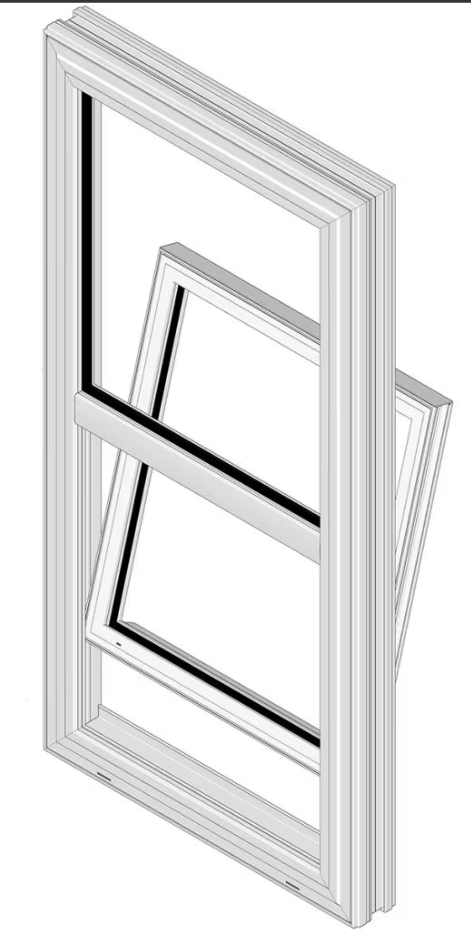

Standard Window Features
- Fusion welded corners (.080 wall thickness) with multiple hollow chambers for watertight strength and energy efficiency.
- Double strength glass standard, 3/4″ overall I.G. unit thickness for maximum energy efficiency.
- Ventilation latches.
- Platinum Elite™ triple chambered silicone foam spacer provides lower U-factors, sound transmission, and condensation.
- Window locks with Cam lock design and continuous interlocking metal reinforced meeting rails provide tamper-proof security and weather-tight performance. (Passes “California Forced Entry” CFE resistance test.)
- Sash tilts in for easy cleaning from inside.
- Dual durometer glazing bead for a water tight seal.
- Dual wall glazing leg reduces condensation.
- Exterior glazed for added security.
- Contoured integral lift rail for clean, smooth lines and easy operation. (Not a snap-on piece.)
- Beveled frame and sash for a pleasing appearance.
- 1/2″ constant force stainless steel balance system engineered to never need adjusting and to provide uniform ease opening and closing your windows.
Ready to Plan Your Project?
Tell Proline Doors & Windows what you want to improve, and we’ll help you review practical options for your Brampton property.
Serving Brampton and surrounding communities with door, window and glass solutions designed around real property needs.