Front Doors in Brampton: Complete Property Planning Guide
Front Doors are more than a decorative feature. They influence security, comfort, weather protection, accessibility, natural light, maintenance and how people move through a property. Proline Doors & Windows serves Brampton and surrounding communities, where seasonal temperature changes and varied housing styles make door selection and installation especially important.
This guide explains how to compare front doors, what to check before ordering and how to build a simple property record for future maintenance. In this category, the typical approach is primary entrance systems combining access, security and curb appeal. They are especially relevant for main entrances where the door strongly influences the first impression of the home. A front door should look intentional from the street while still being comfortable to use every day.
How Front Doors Function in a Property
Primary entrance systems combining access, security and curb appeal changes how the entrance handles traffic, weather, locking, glass, hardware and interior clearance. Before choosing a design, think about how often the opening is used, who uses it, whether hands are often full, and how the swing interacts with halls, stairs, furniture or exterior steps.
A door can look impressive but still be inconvenient if the swing, handle position or threshold conflicts with everyday movement. The best design supports the way the property is actually used.
Best Uses and Entry Planning
Front Doors can be especially useful for main entrances where the door strongly influences the first impression of the home. Start by defining the role of the opening: primary entrance, secondary access, garden connection, interior separation or architectural feature. That role influences security, glass, insulation and hardware priorities.
Consider what is visible from the street, from inside the home and from neighbouring properties. A main entrance may need stronger curb appeal, while a side entrance may prioritise durability and practical access.
Materials and Construction
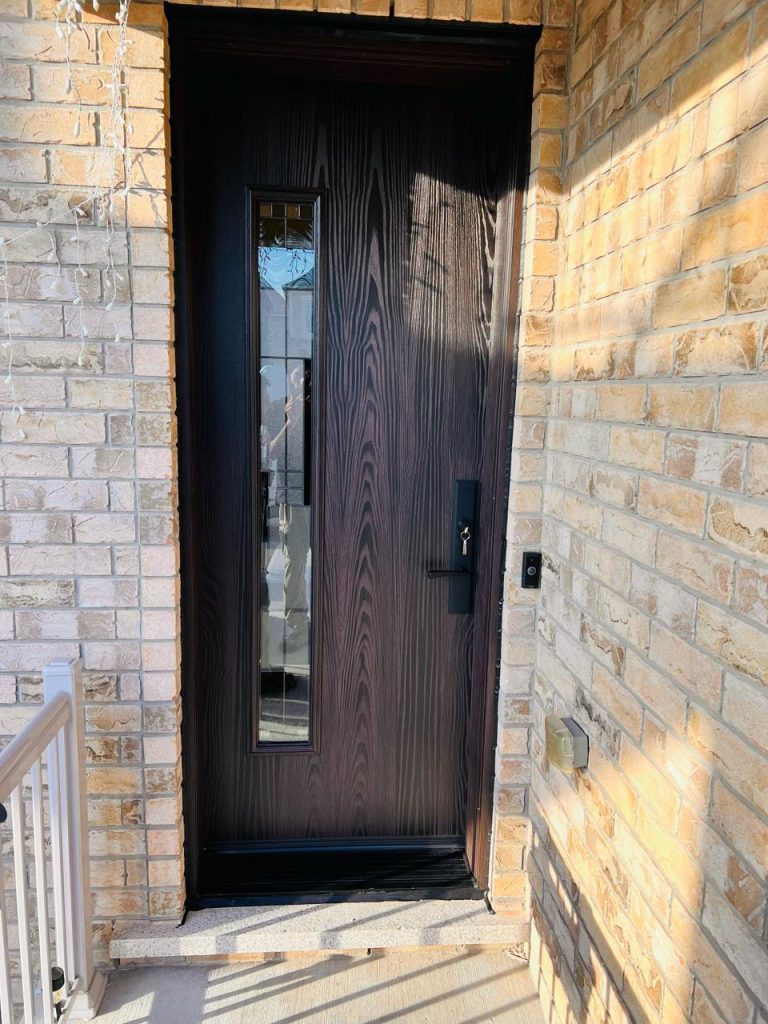
Door materials can include steel, fibreglass, wood, aluminium, glass and combinations of materials depending on the product. Each option has different maintenance, thermal, structural and design characteristics. The correct choice depends on exposure, use, budget and the appearance you want to maintain over time.
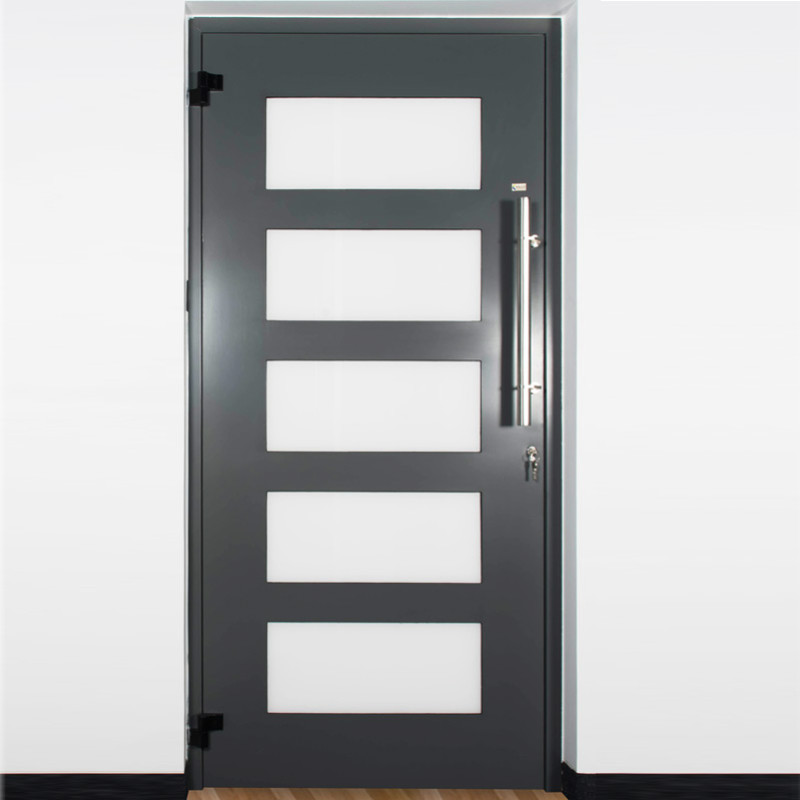
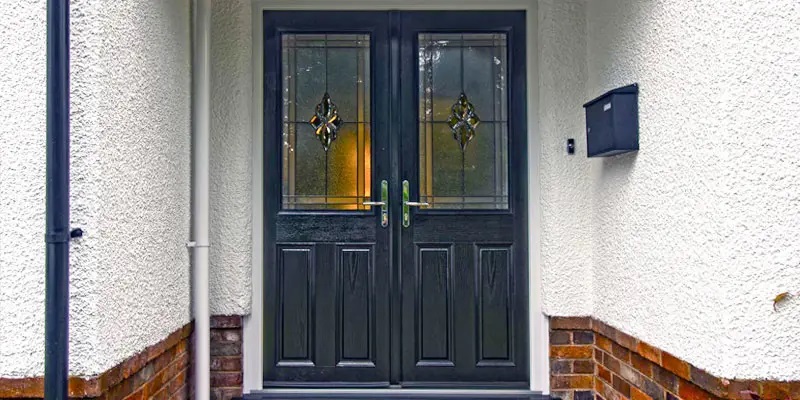
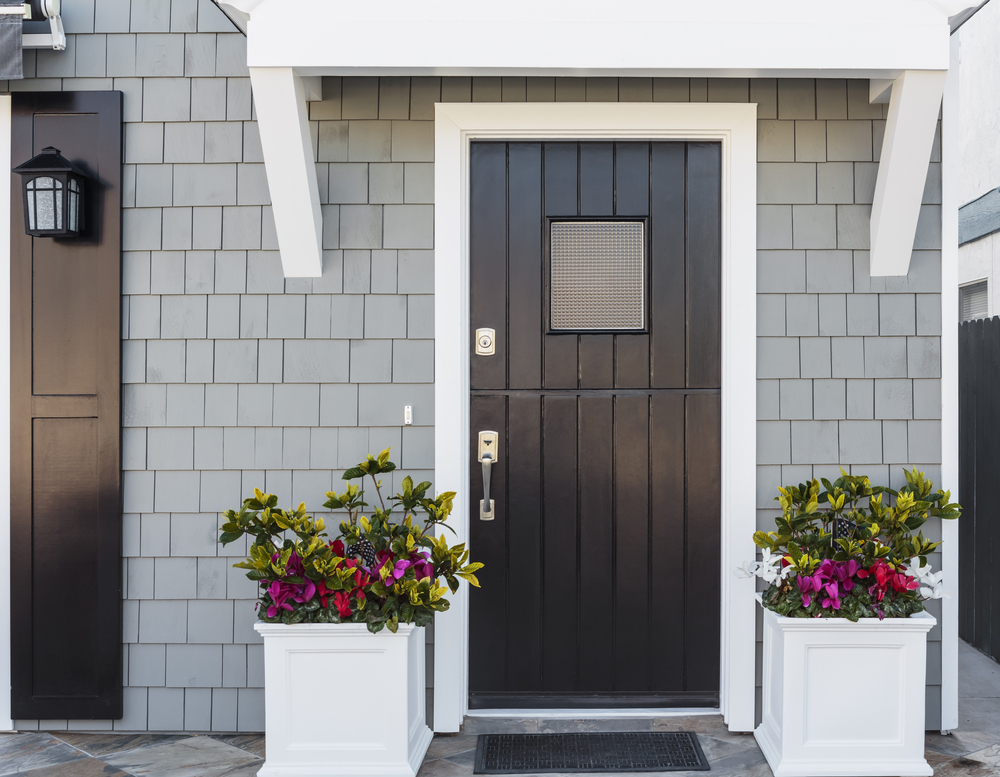
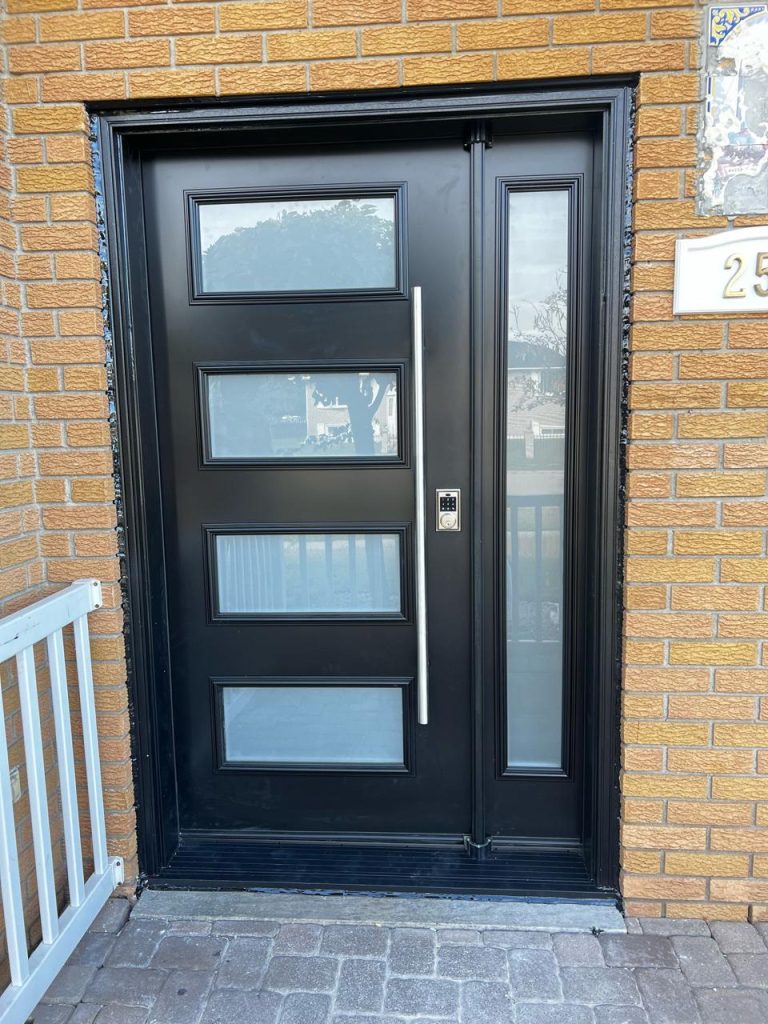
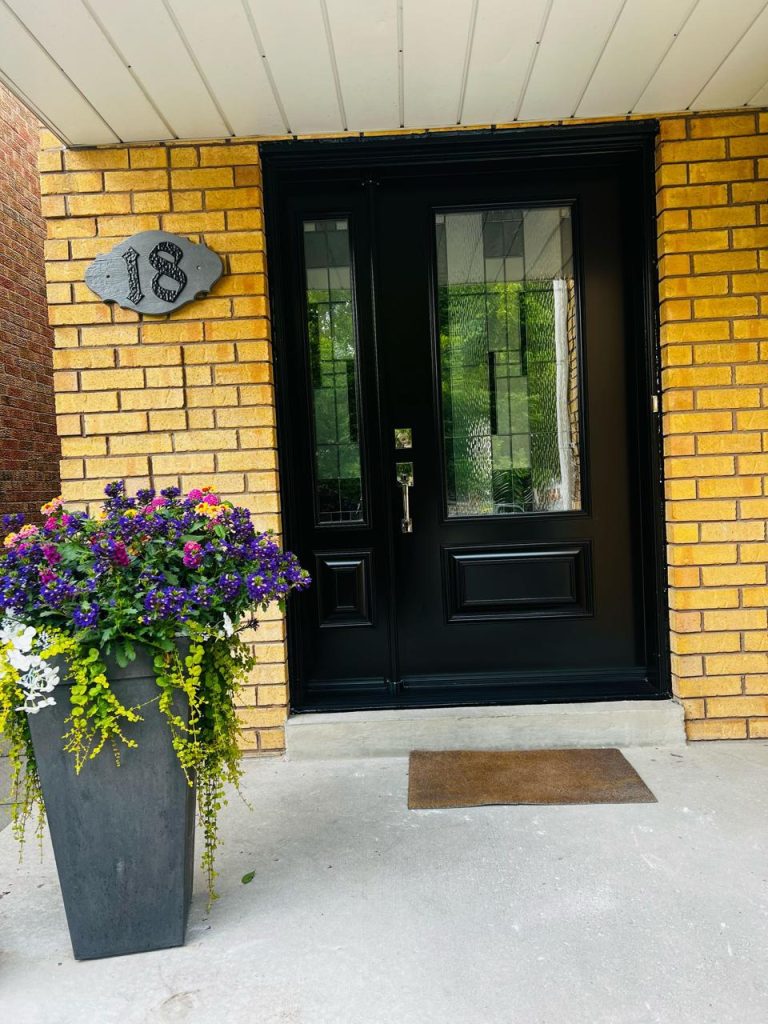
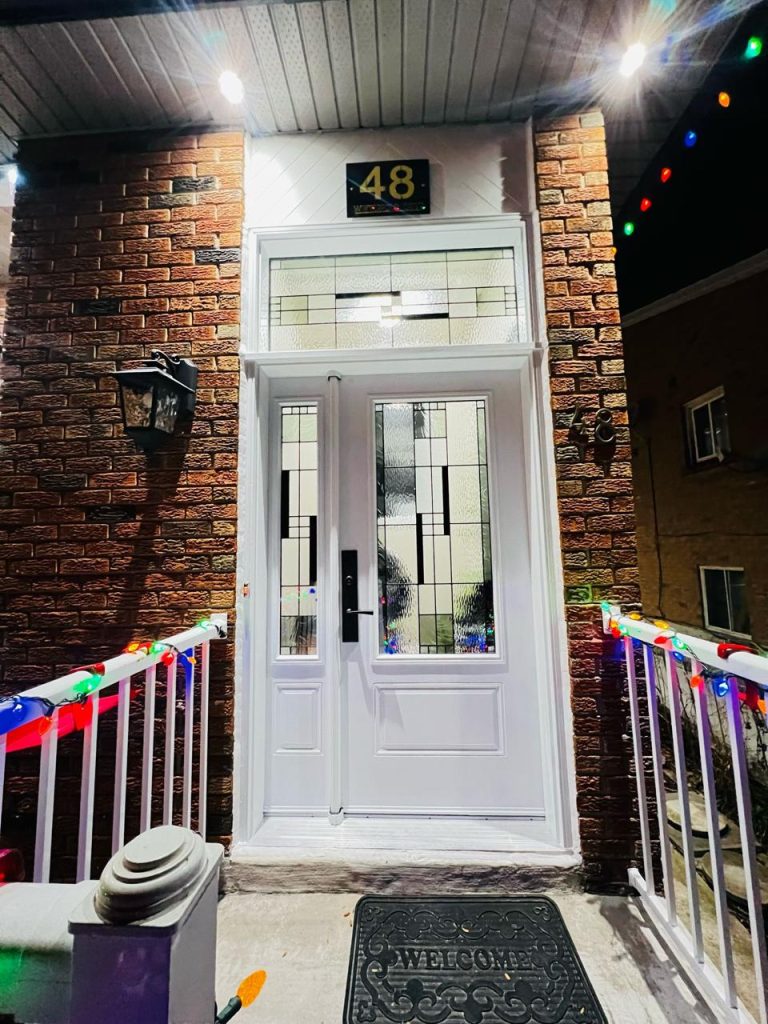
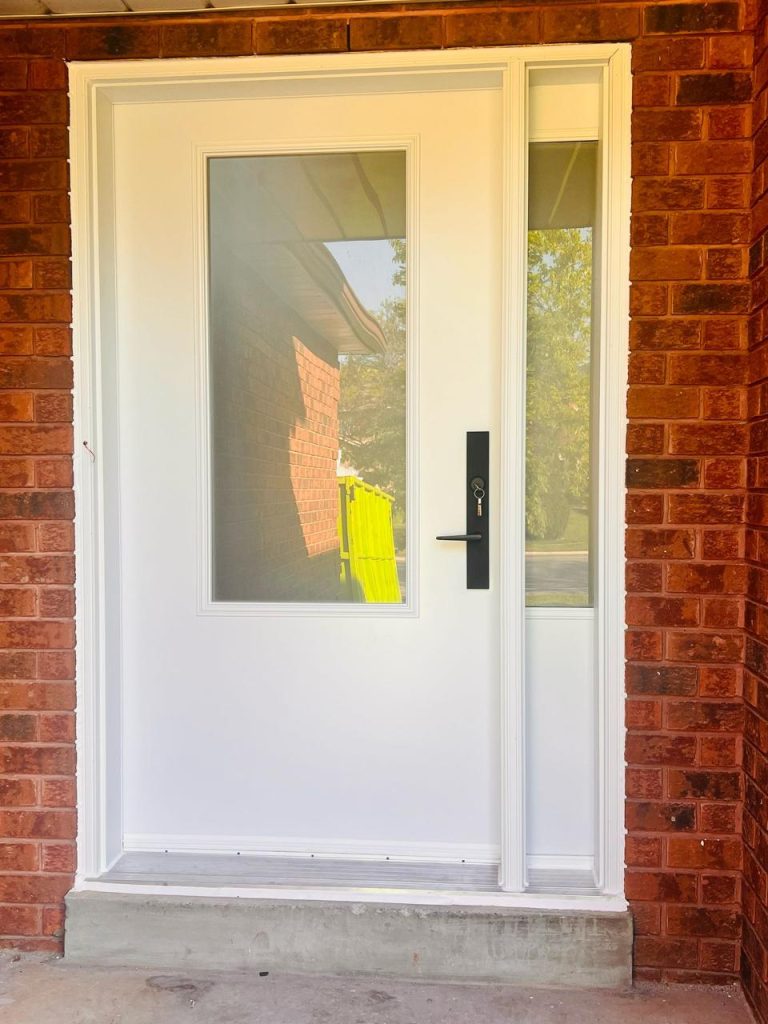
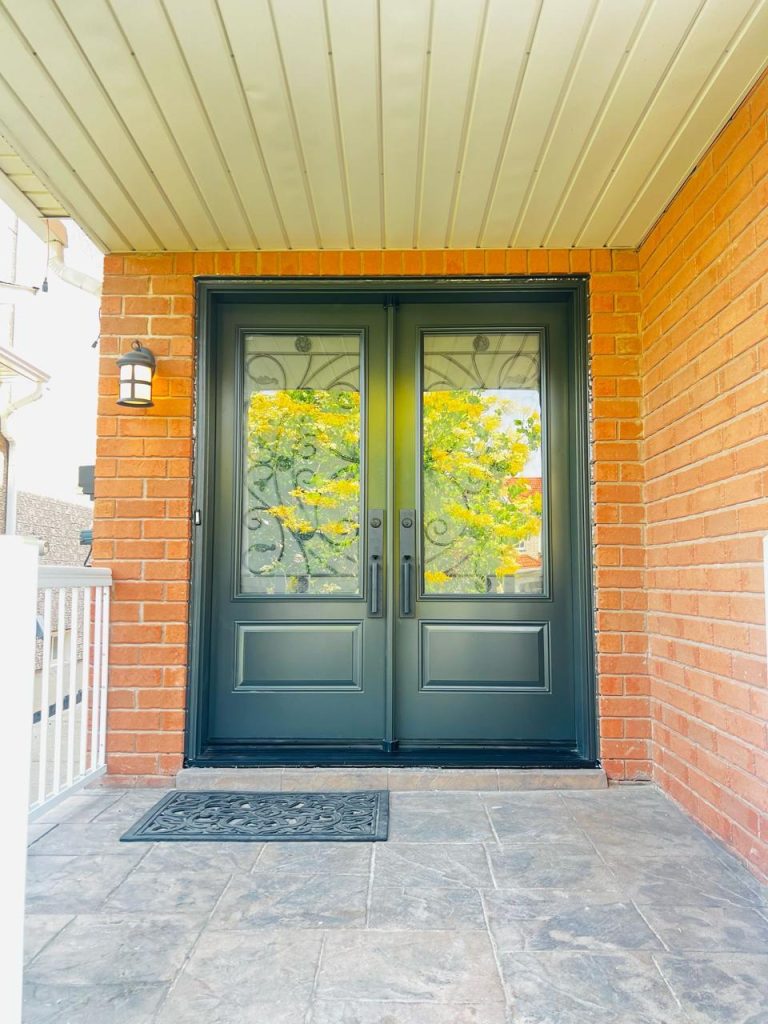
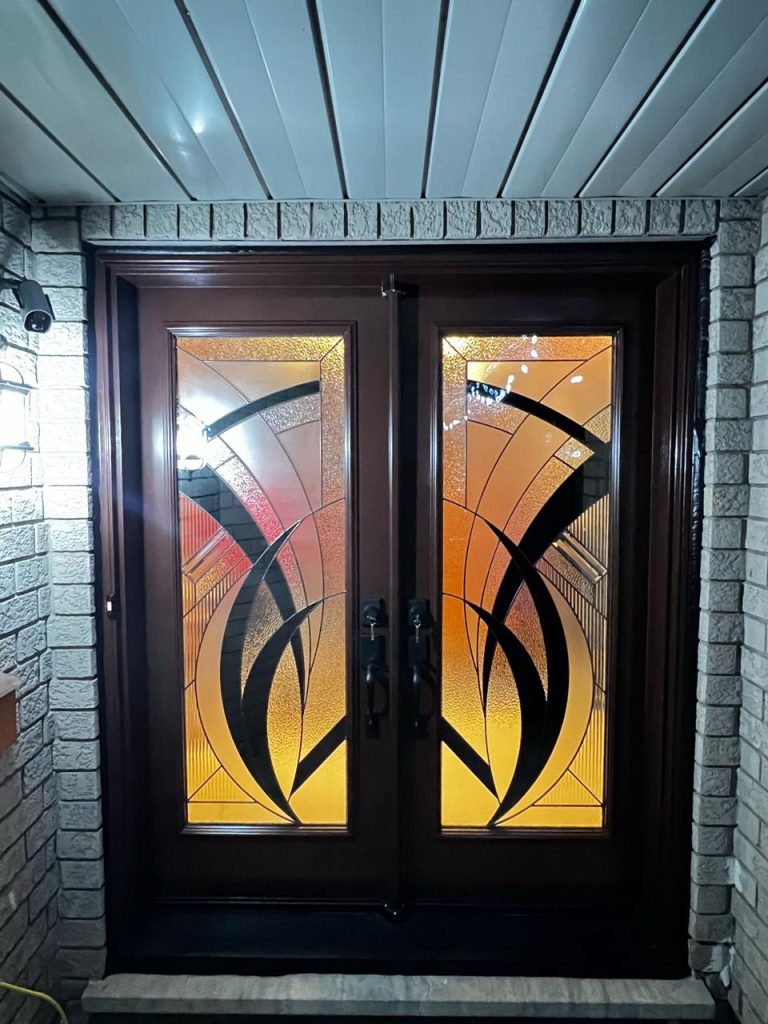
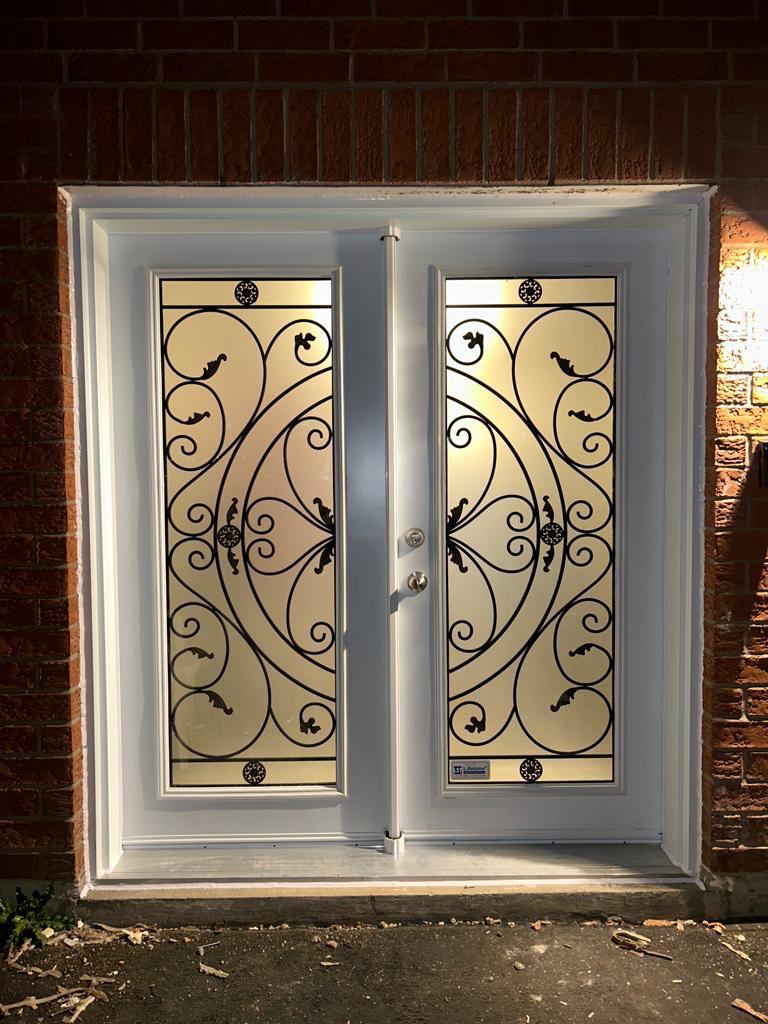
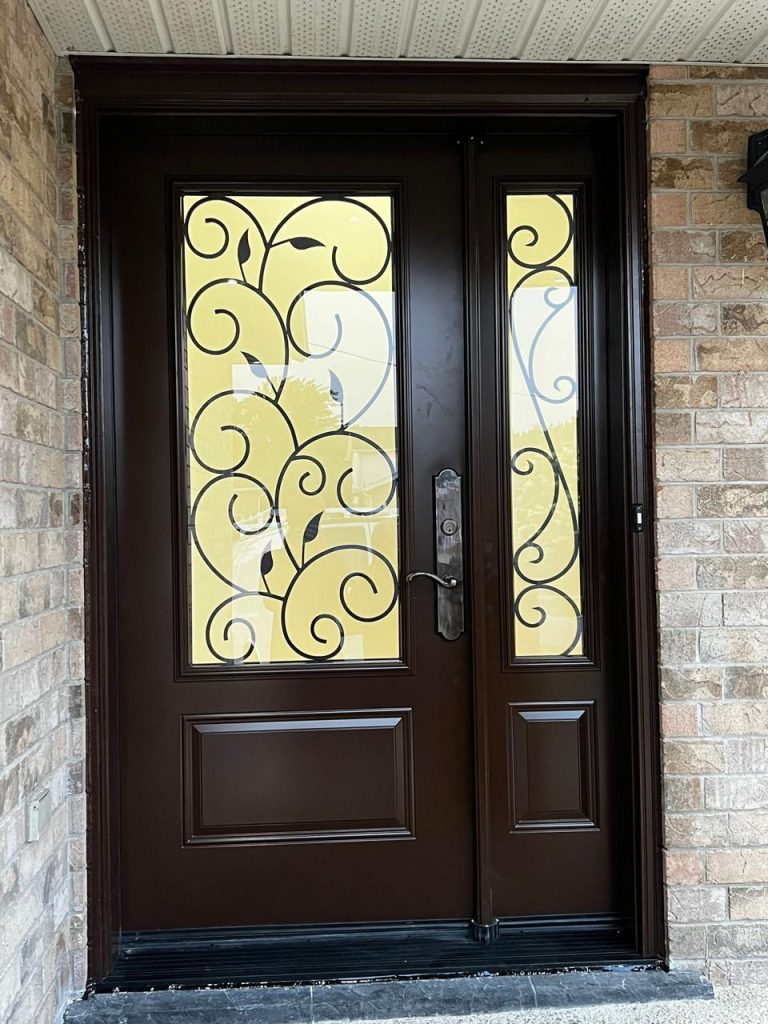
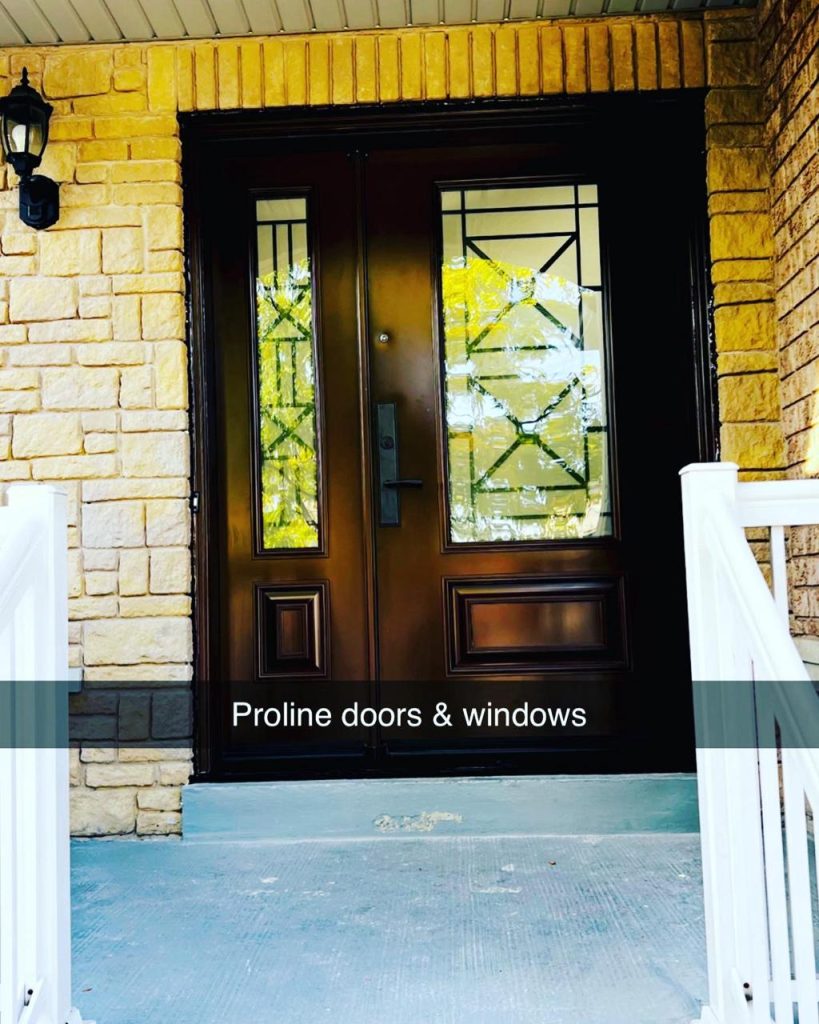
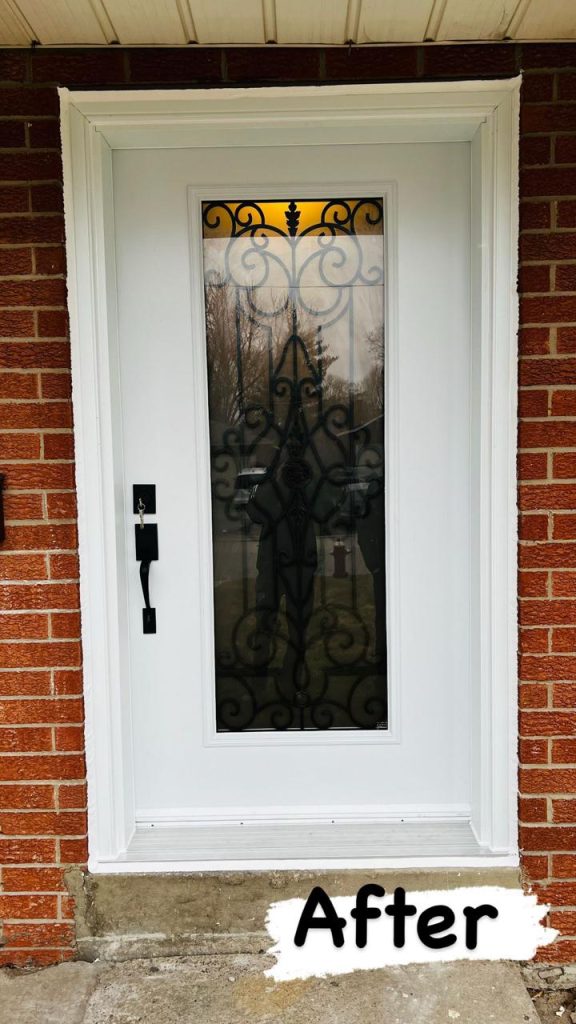
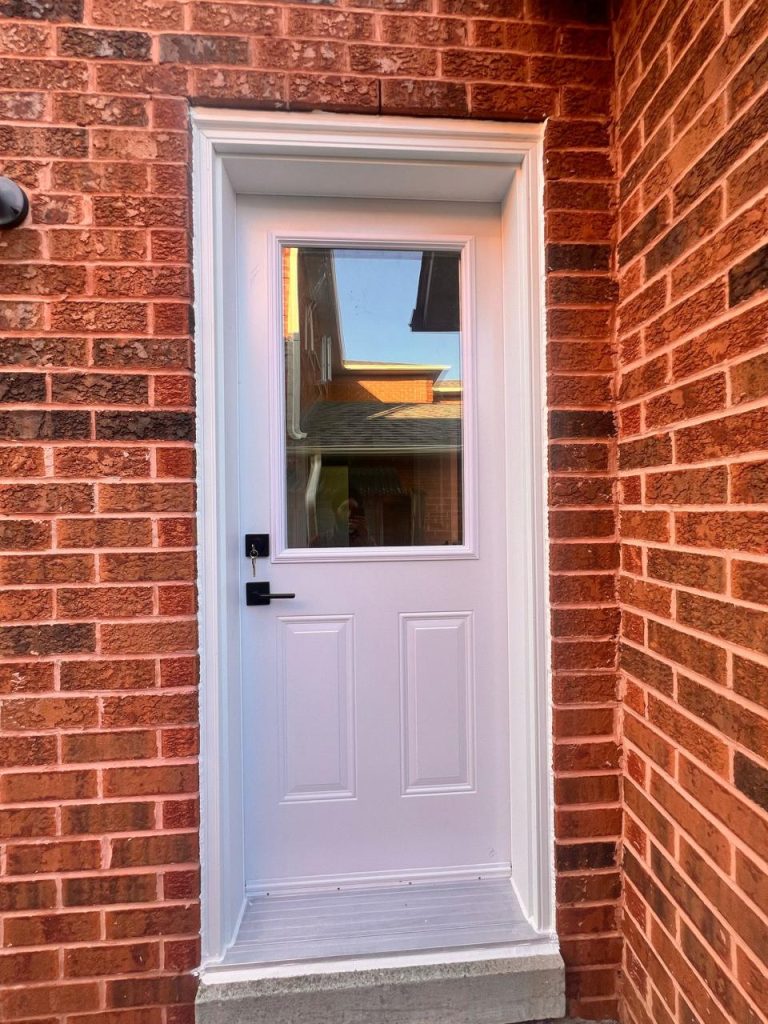
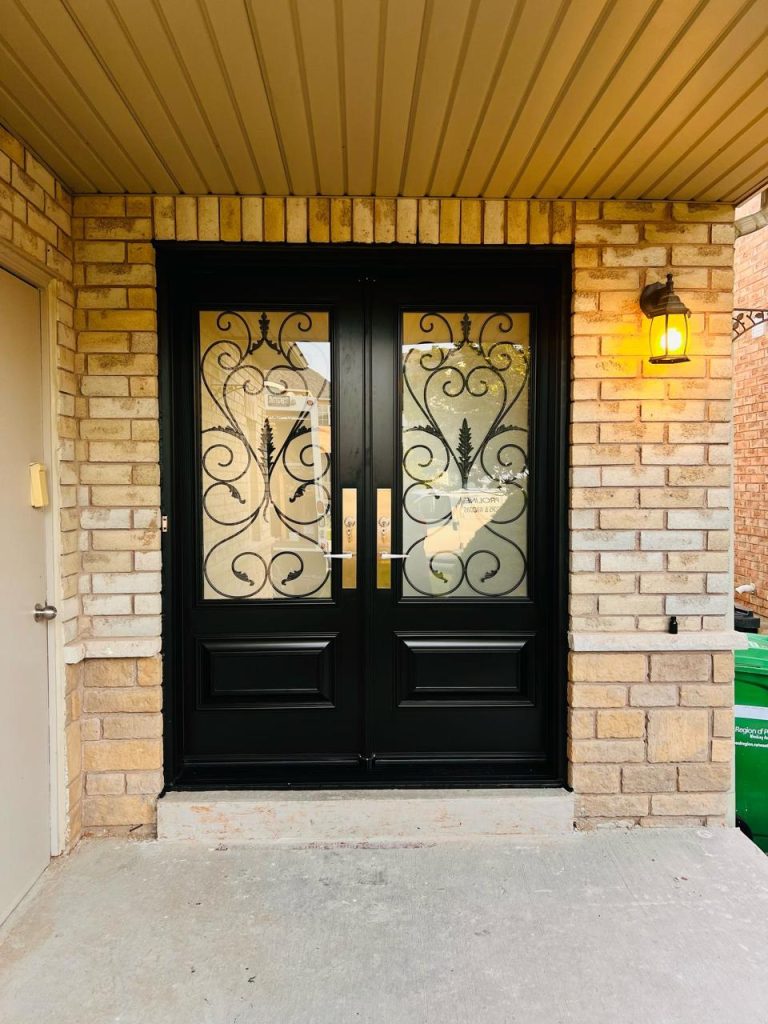
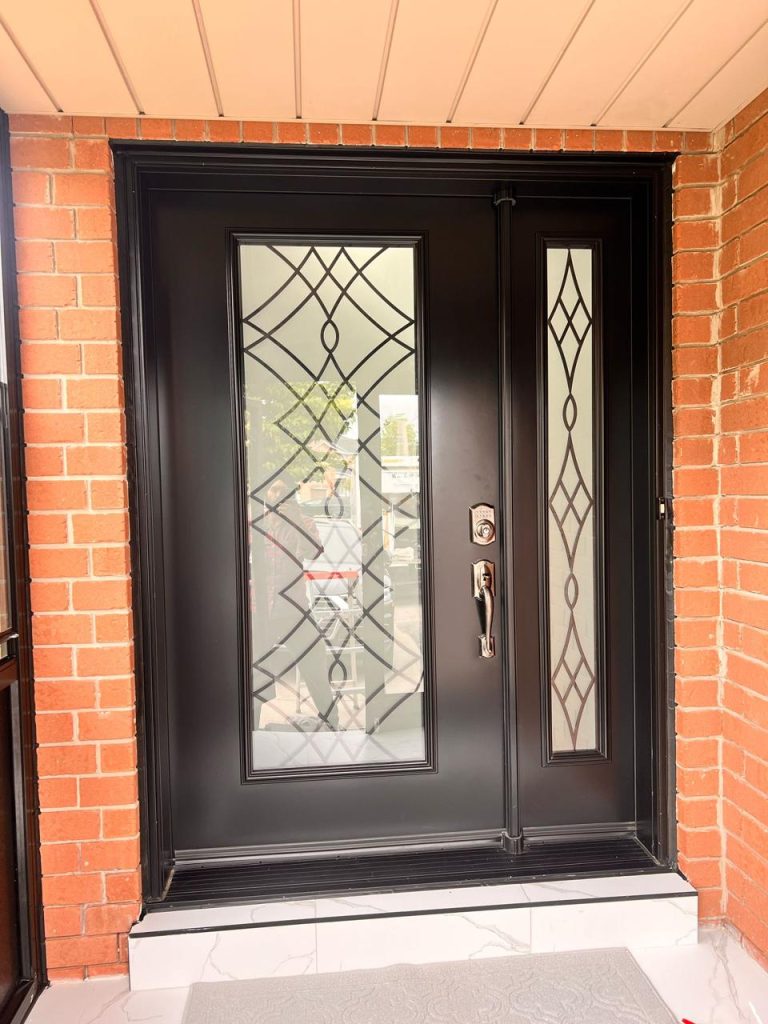
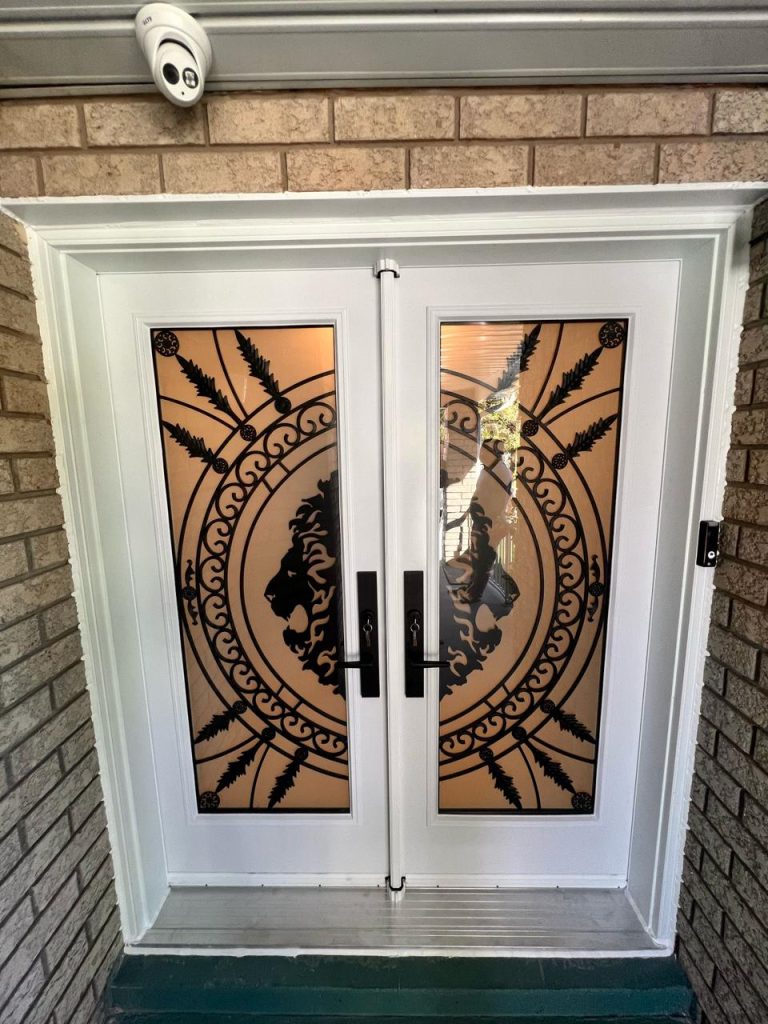
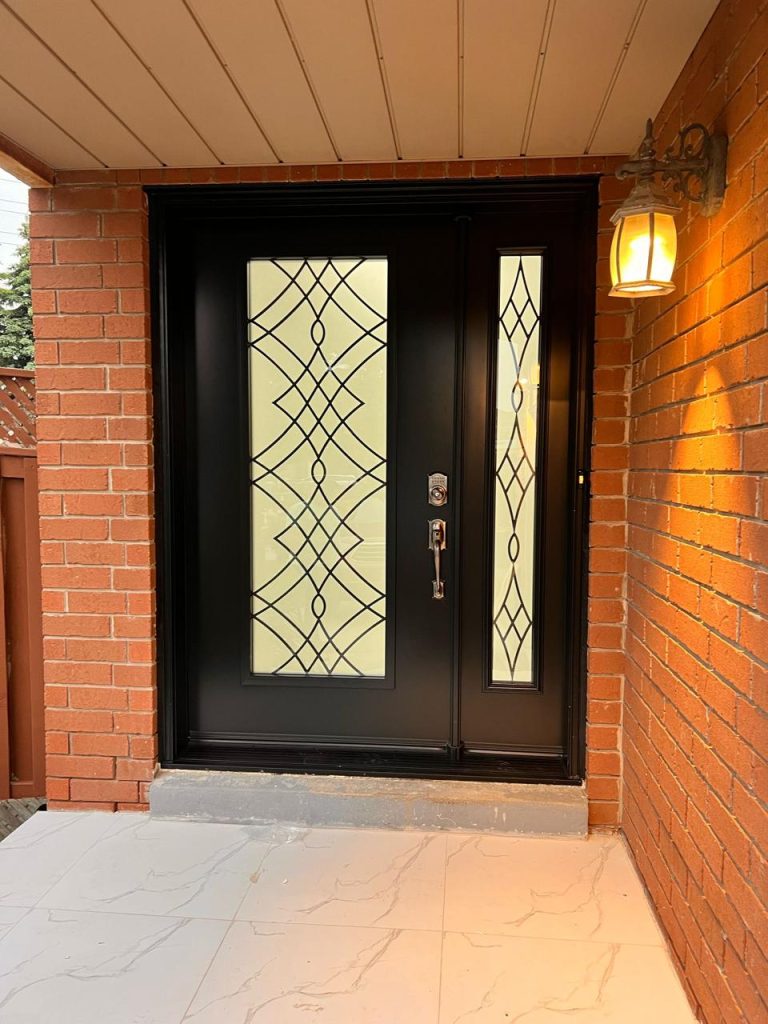
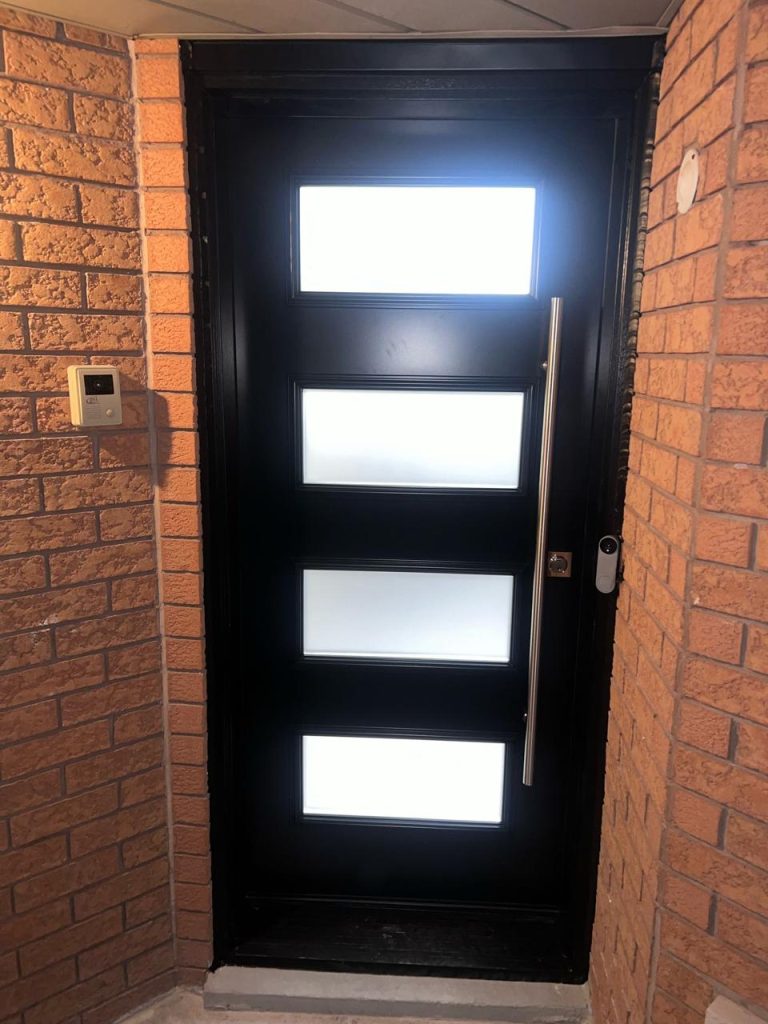
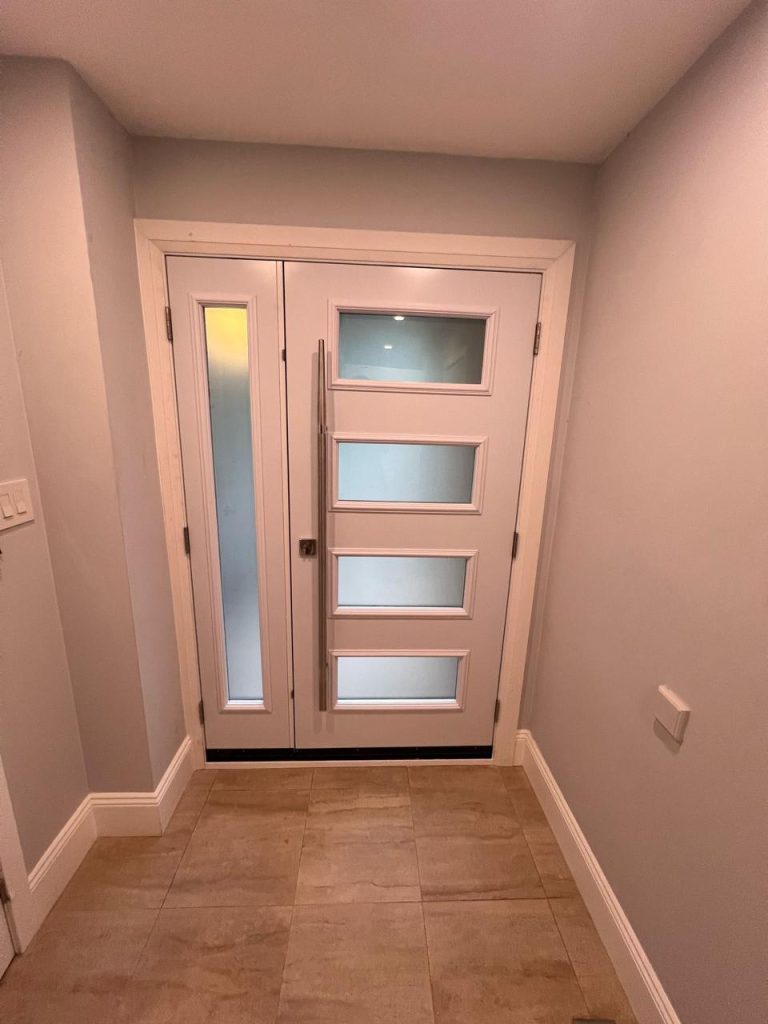
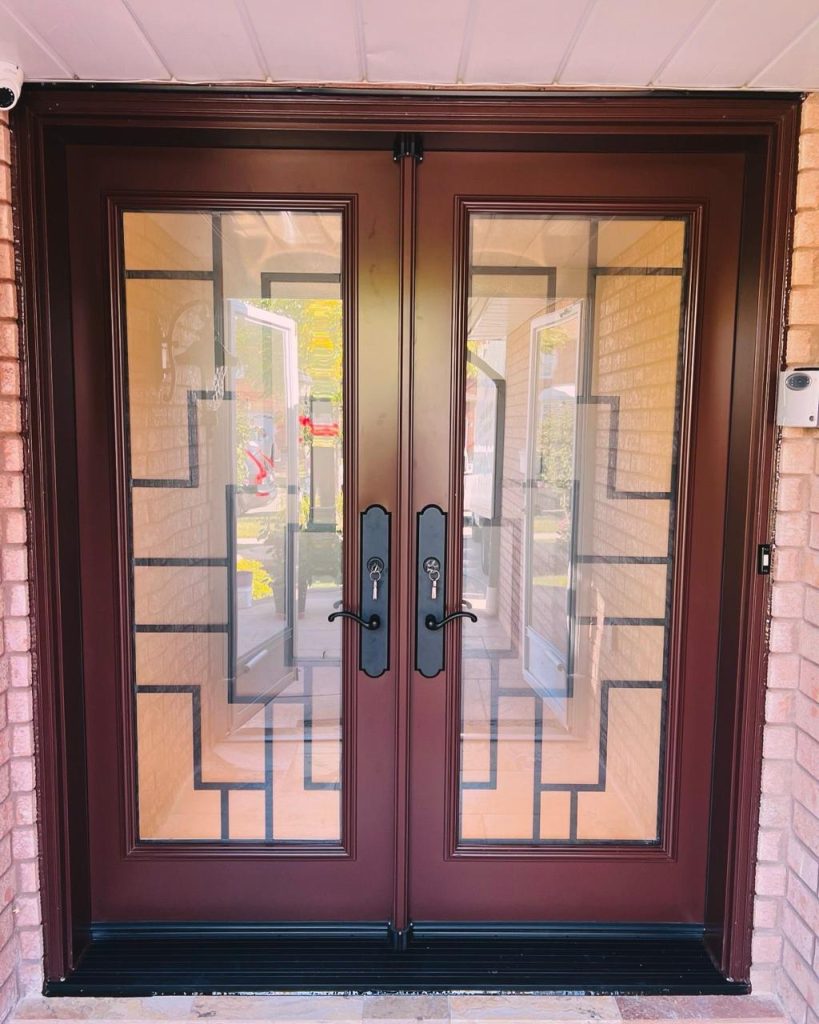
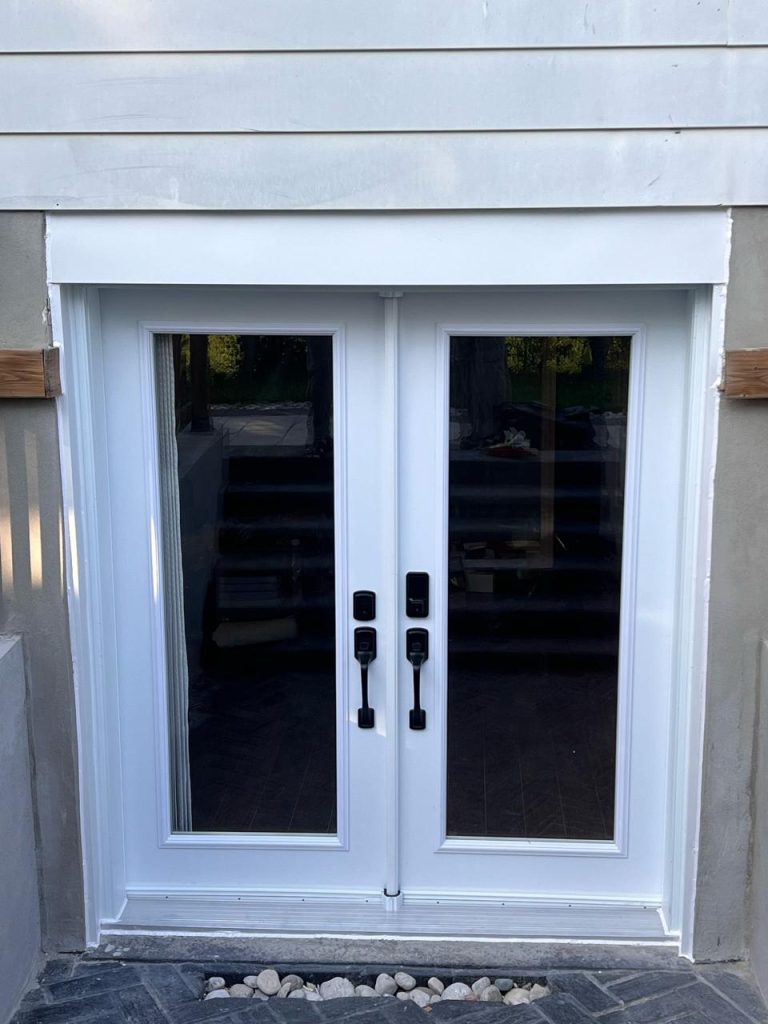
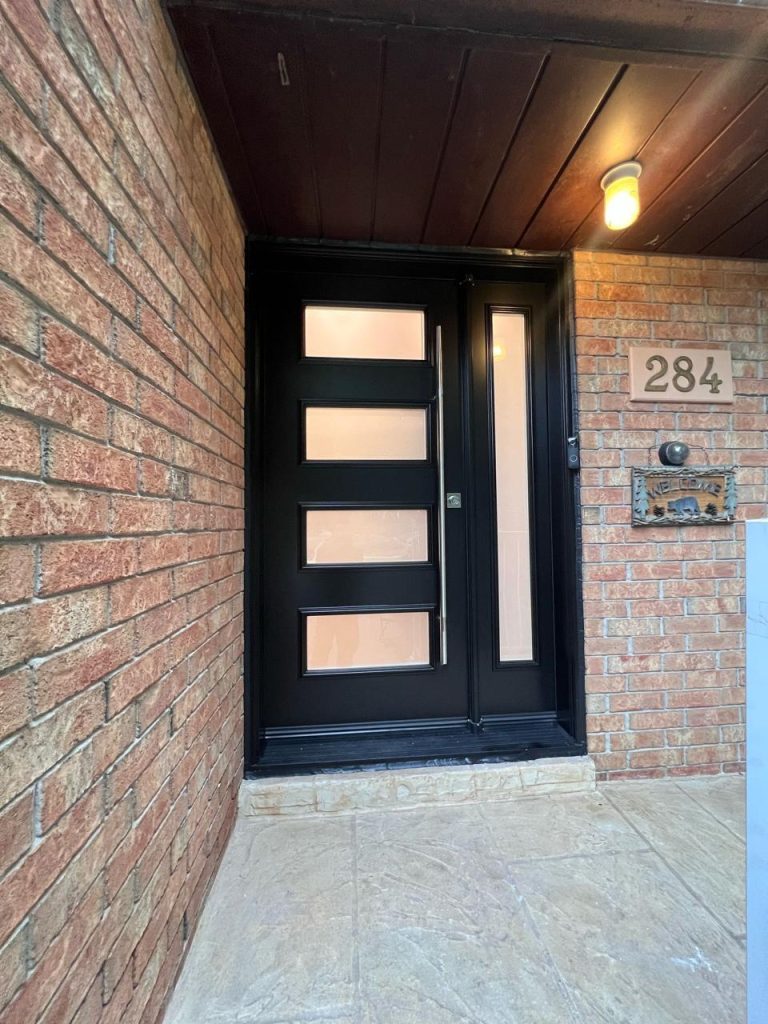
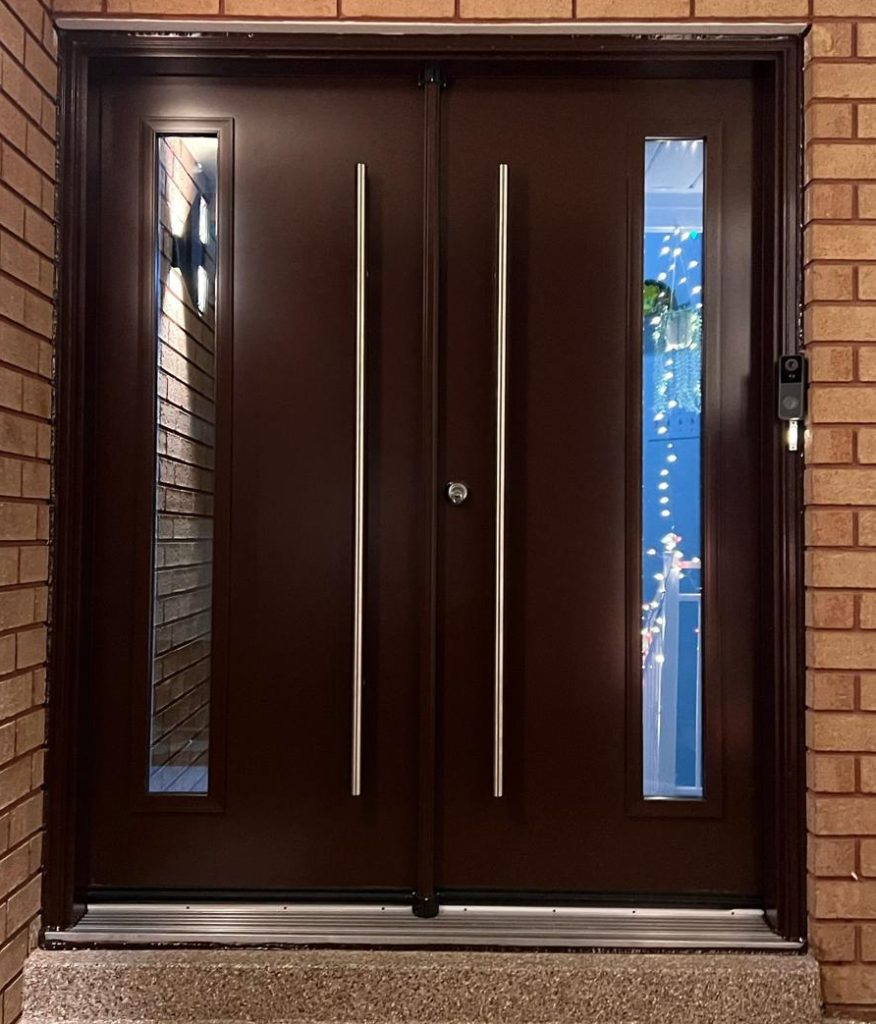
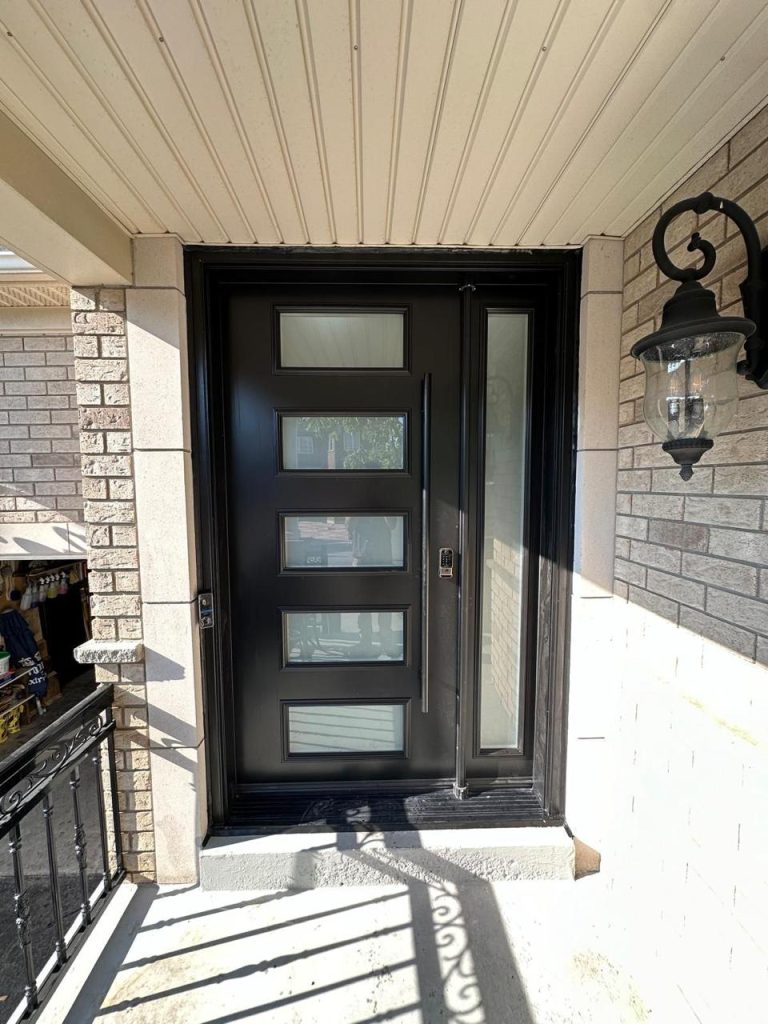
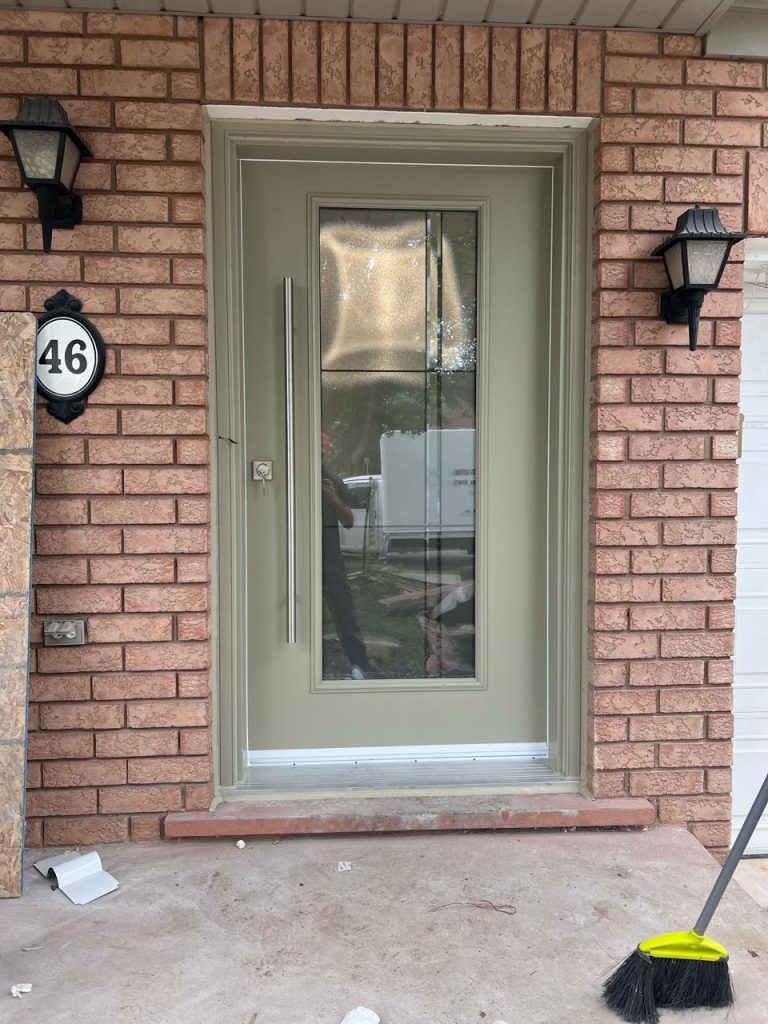
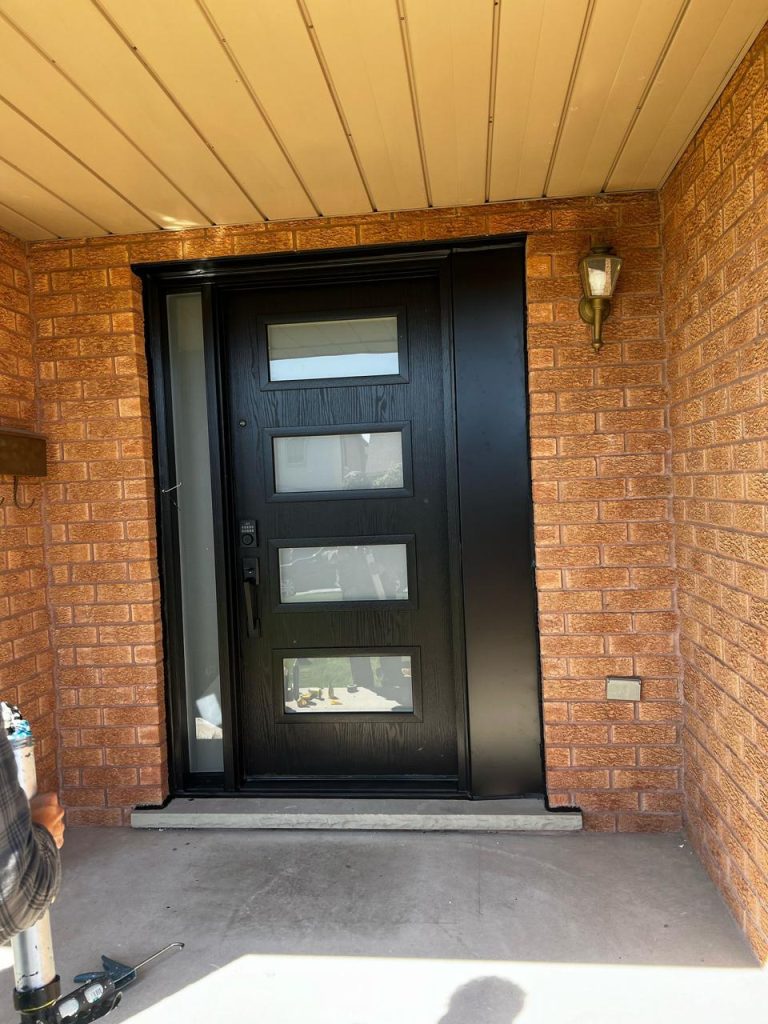
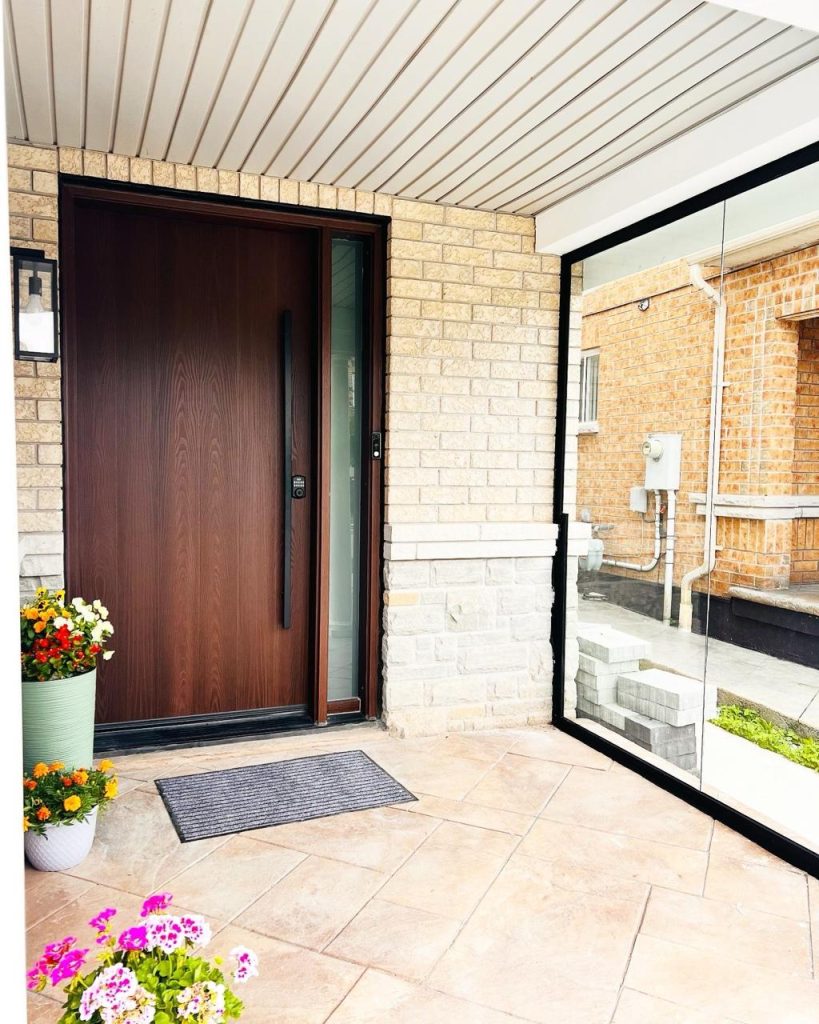
For Front Doors, design considerations often include statement colours, decorative glass, sidelights, transoms, handlesets and coordinated exterior trim. Compare not only the slab or panel but also the frame, threshold, weather seals and hardware because the complete assembly determines how the entrance performs.
Security and Locking Hardware
Security begins with the whole opening. Door construction, frame anchoring, hinges, strike plates, glass location and locking hardware all contribute. Multi-point locks or reinforced hardware may be appropriate in some exterior applications, but even basic hardware should engage smoothly and consistently.
A lock that requires force or does not align correctly can become both a security and maintenance problem. After installation, check that the door closes without lifting or pushing excessively and that every locking point engages as intended.
Energy Efficiency and Weather Sealing
Brampton winters and summer temperature changes make air sealing important for exterior doors. Insulated cores, weatherstripping, threshold seals, glass specification and perimeter installation all influence comfort. A door with good factory specifications can still feel drafty if the frame is poorly aligned or the perimeter is not sealed correctly.
A front door should look intentional from the street while still being comfortable to use every day. Check the bottom sweep, threshold contact and seals around the sides and head. The door should close securely without crushing or missing the weatherstripping.
Glass, Sidelights and Transoms
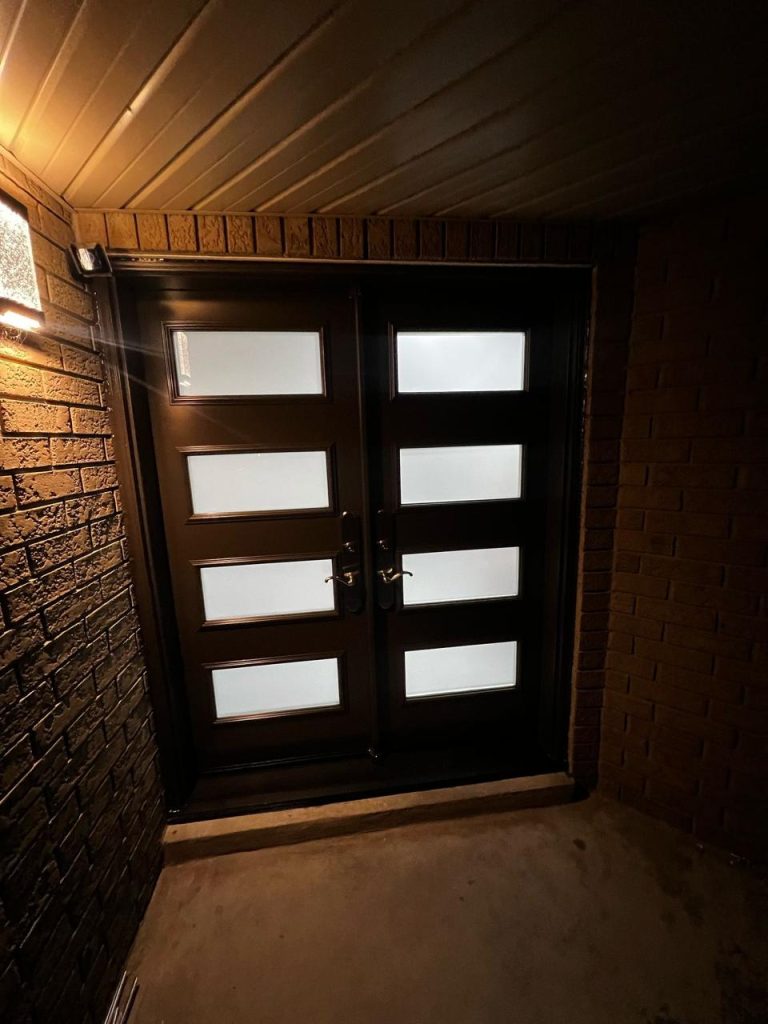
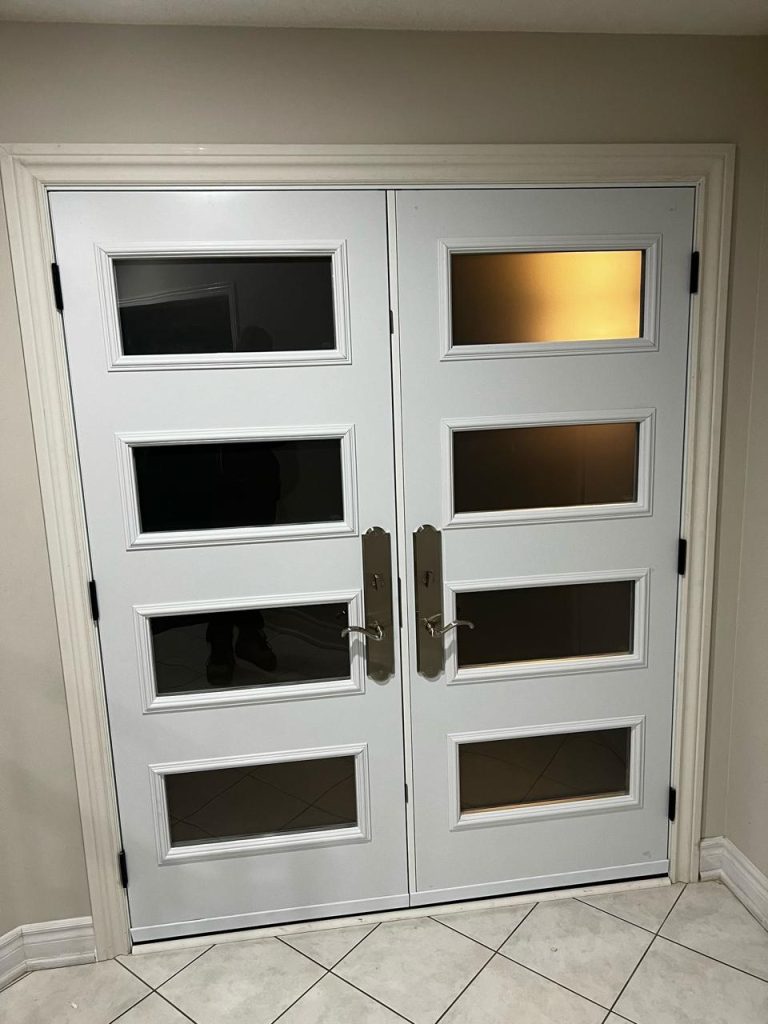
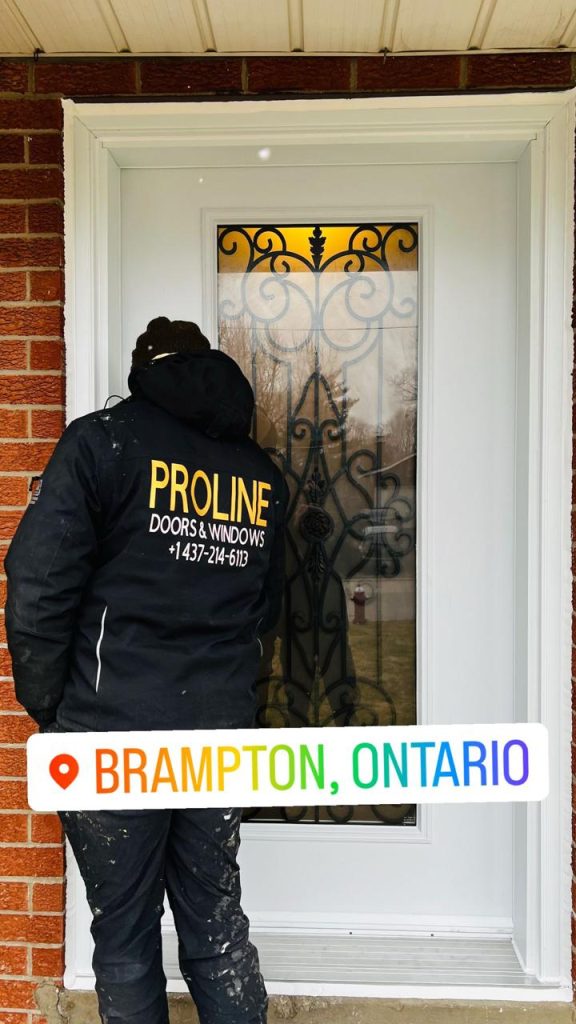
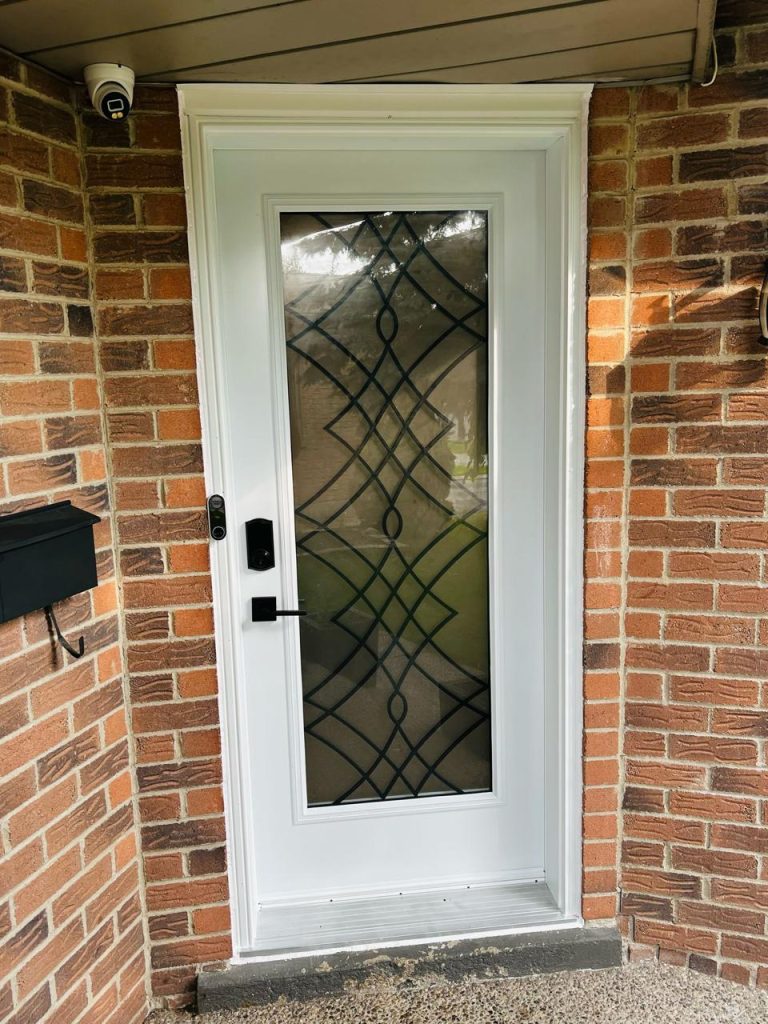
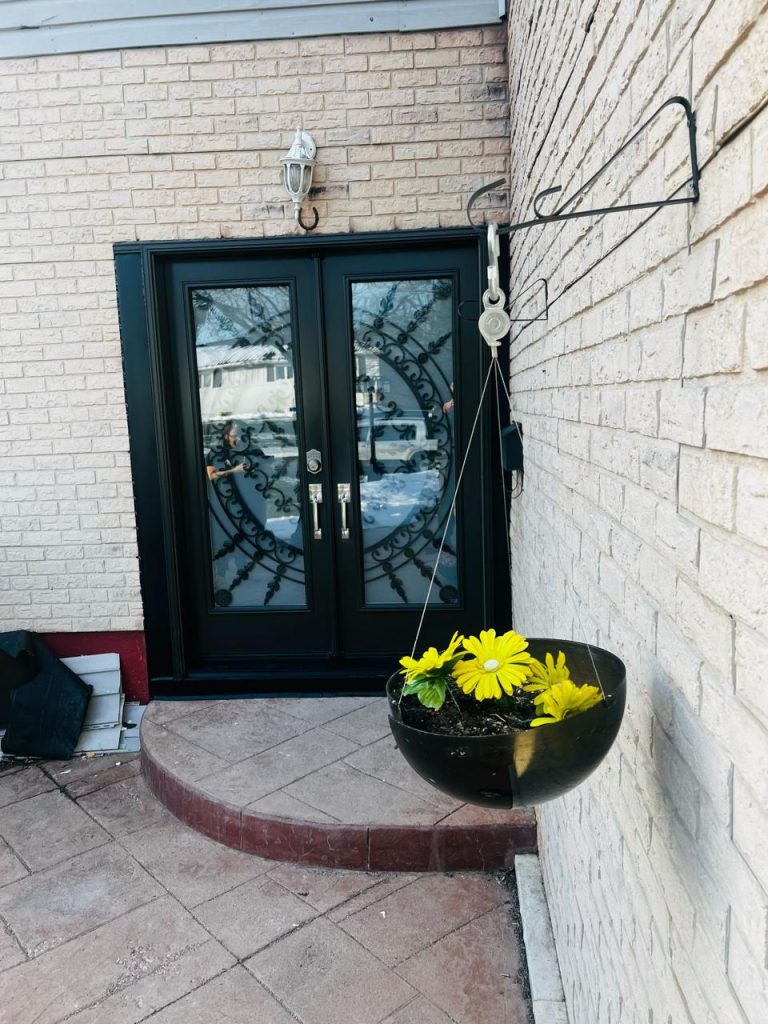
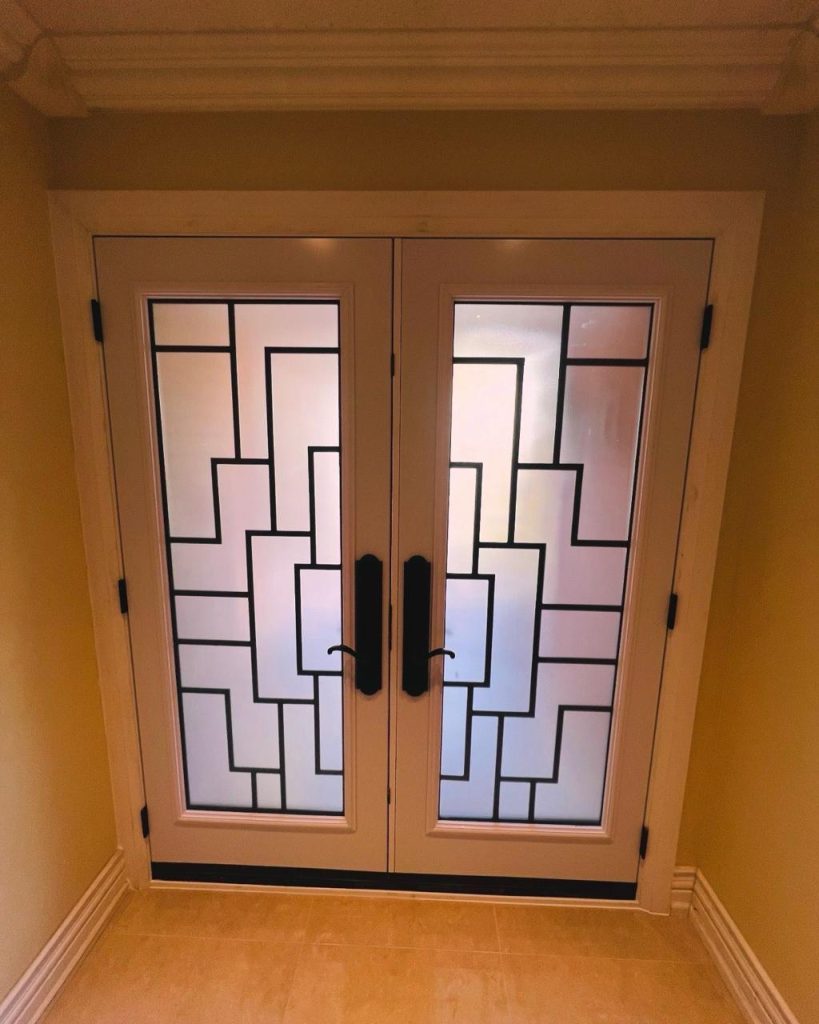
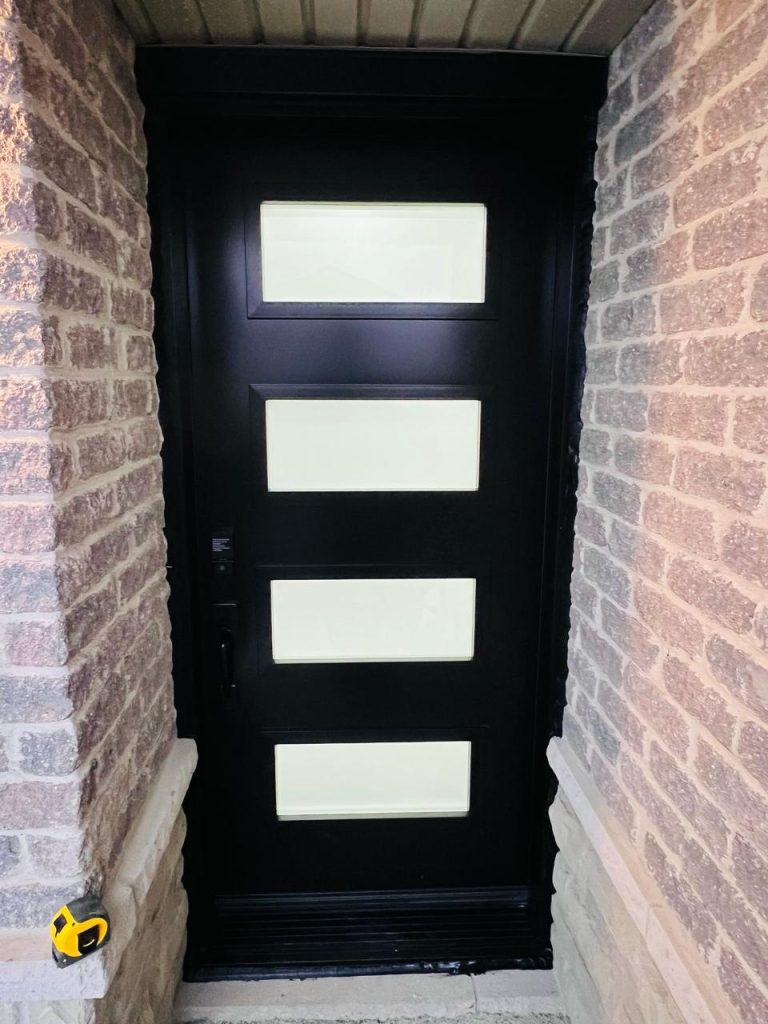
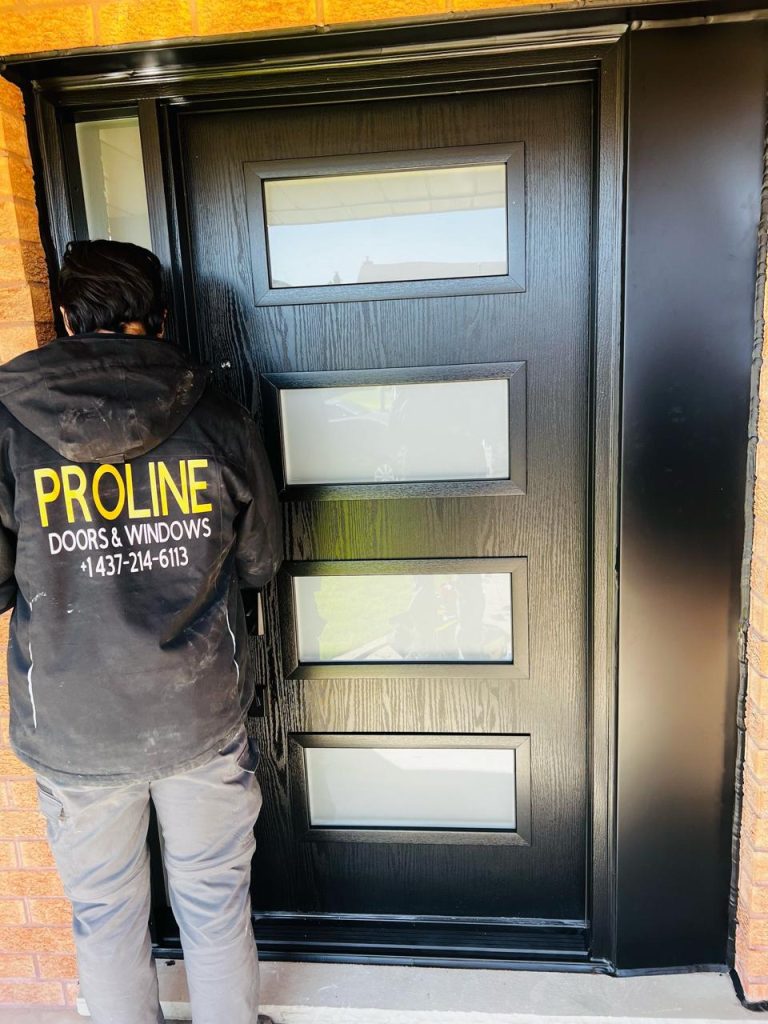
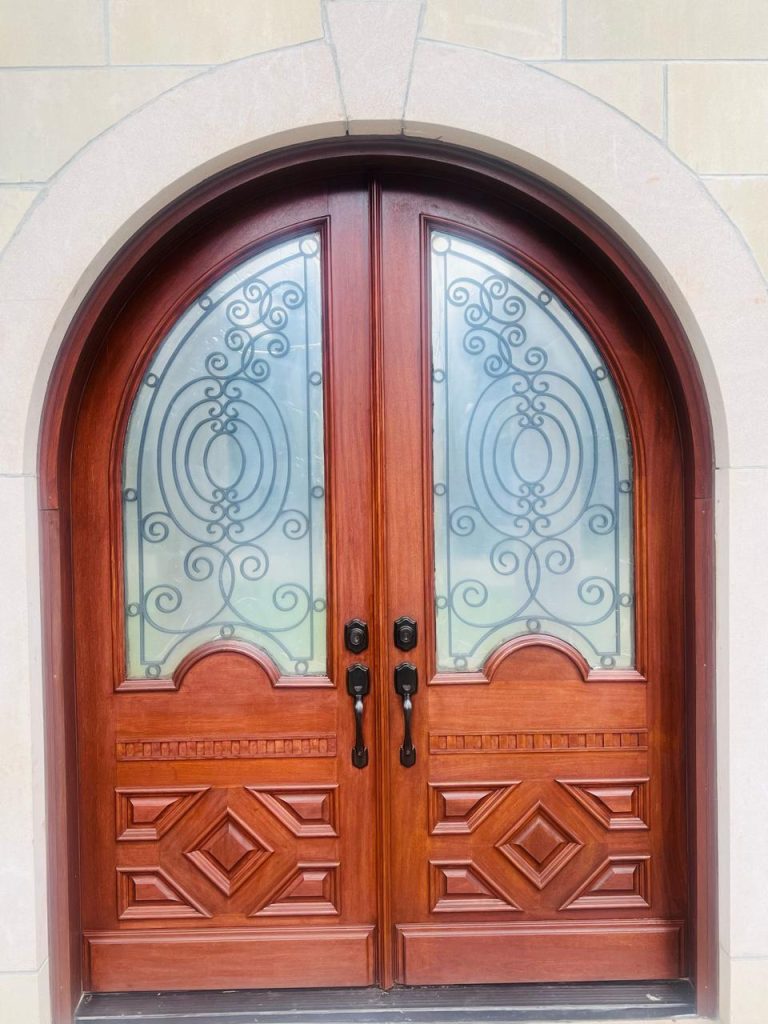
Glass can add daylight and visual interest, but it changes privacy, thermal performance and security considerations. Decorative, frosted or textured glass can provide different levels of privacy, while clear glass may be preferred when views or daylight are priorities.
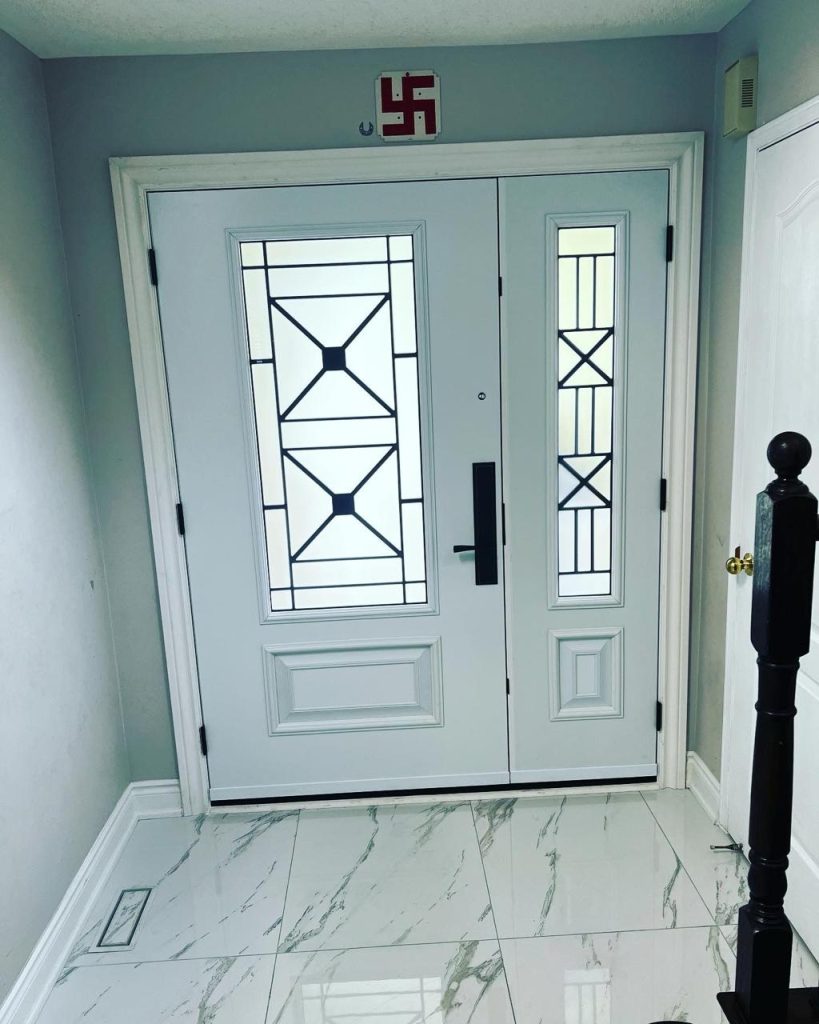
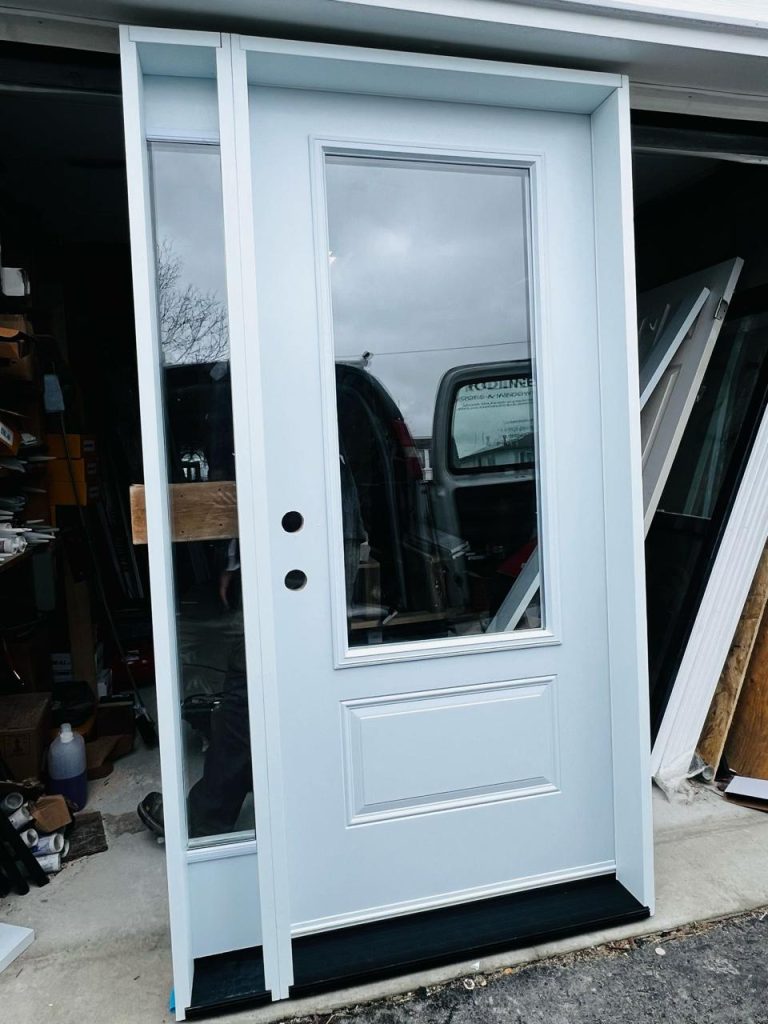
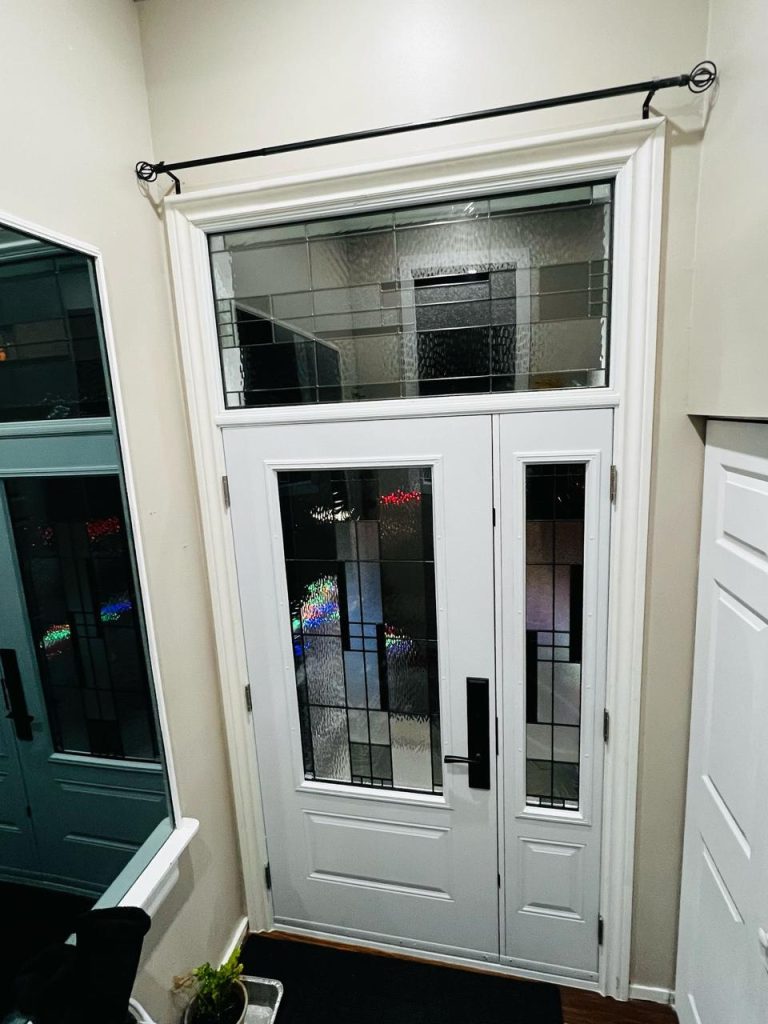
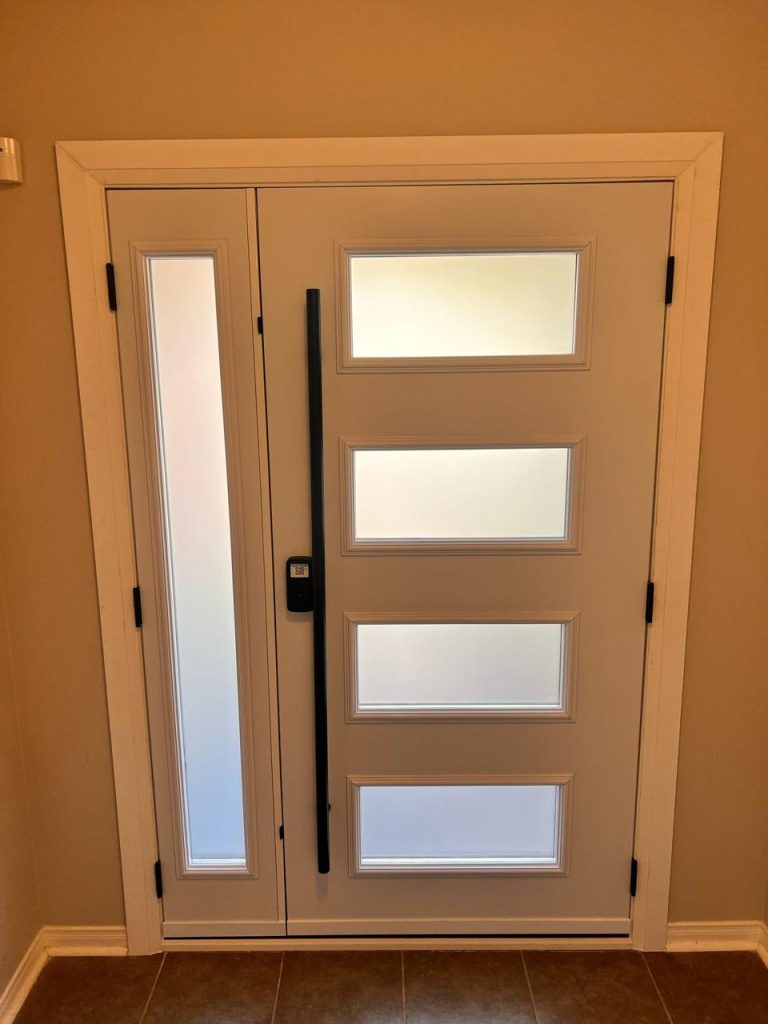
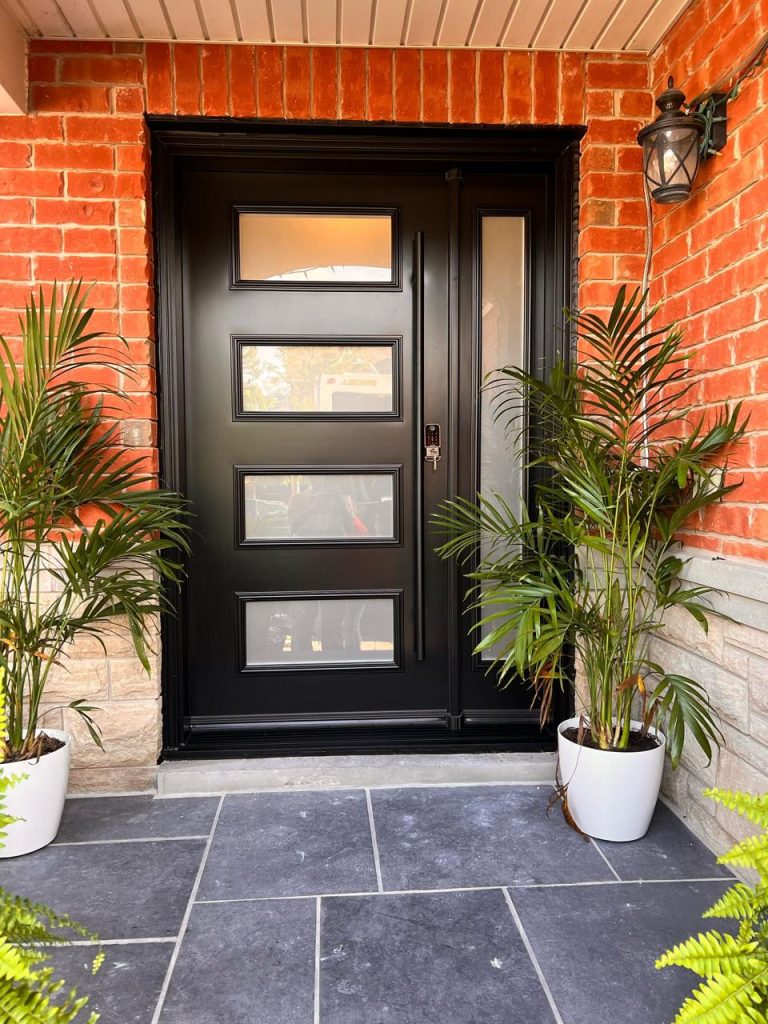
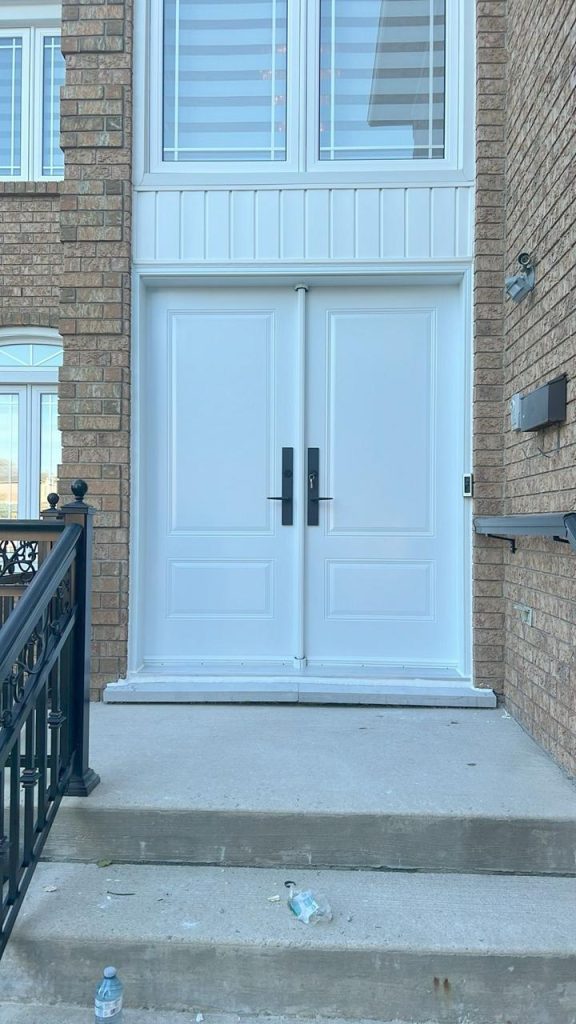
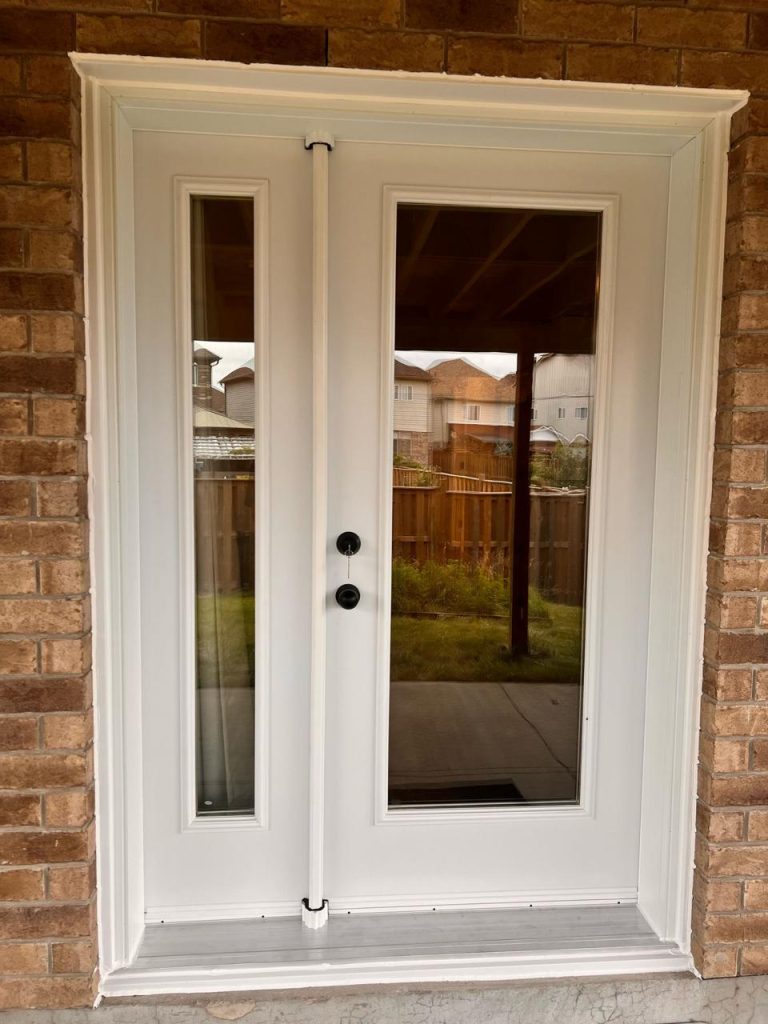
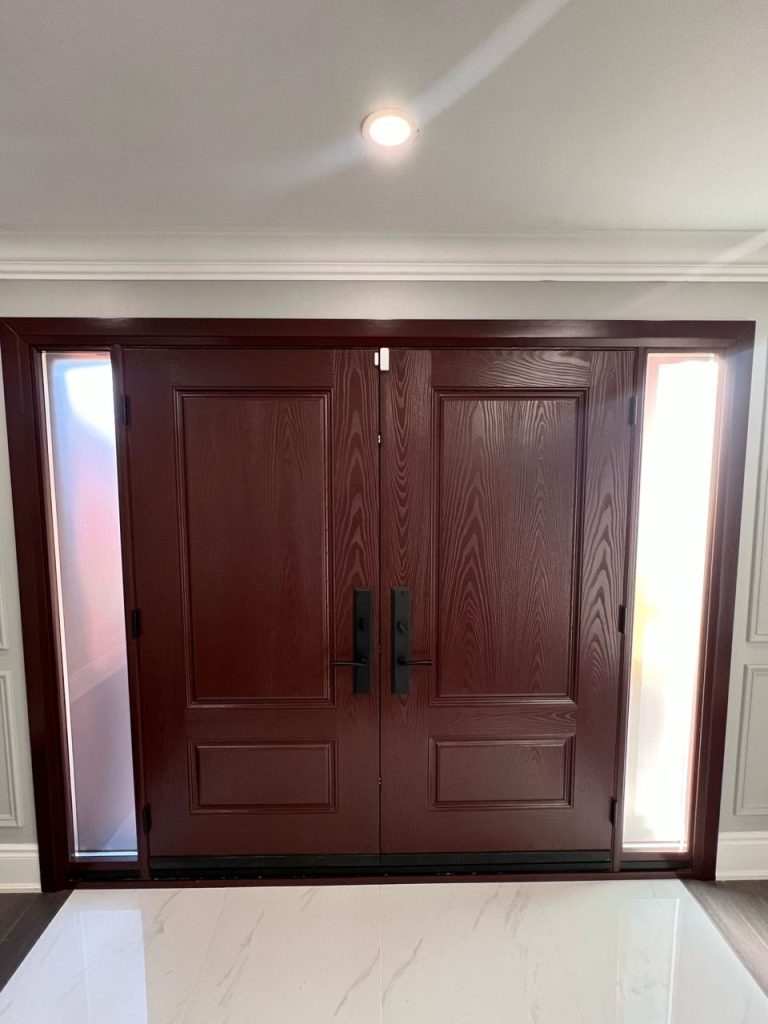
Sidelights and transoms can make an entrance feel larger and brighter. Their proportions should relate to the door and surrounding architecture. When large glazed areas are included, ask about insulated glass and safety requirements appropriate to the location.
Hardware, Handles and Daily Use
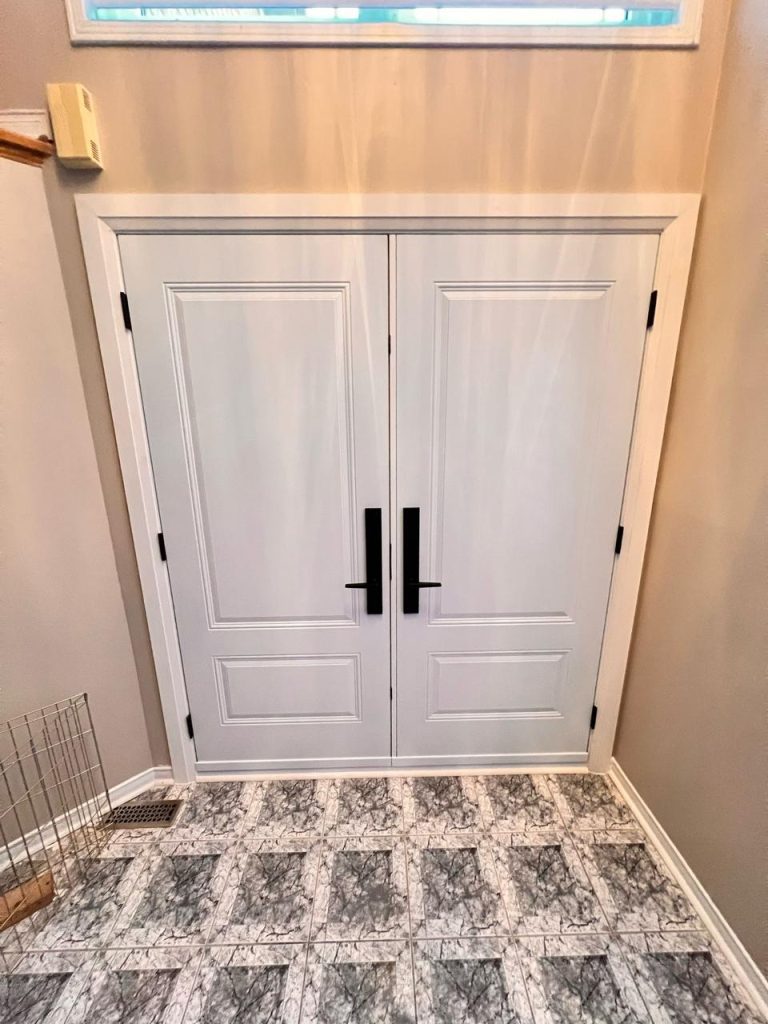
Handles, locks, hinges and closers are touched every day, so hardware quality and ergonomics matter. Choose a finish that works with the door colour and nearby fixtures, but also consider grip, reach and ease of operation. A beautiful handleset that is awkward to use quickly becomes frustrating.
For busy entrances, durability may matter more than decorative complexity. If several exterior doors are being replaced, coordinated hardware can create a consistent look and simplify keying or future replacement decisions.
Door Swing, Clearance and Accessibility
Door swing affects furniture, stairs, hallway circulation, porch space and weather exposure. Confirm whether the door should swing in or out and how that movement interacts with the property. Measure clearance around mats, thresholds and nearby walls.
Accessibility should also be considered. Threshold height, clear opening width, handle type and approach space can all influence ease of use. Planning these details before ordering is much easier than trying to correct them after installation.
Colour, Style and Curb Appeal
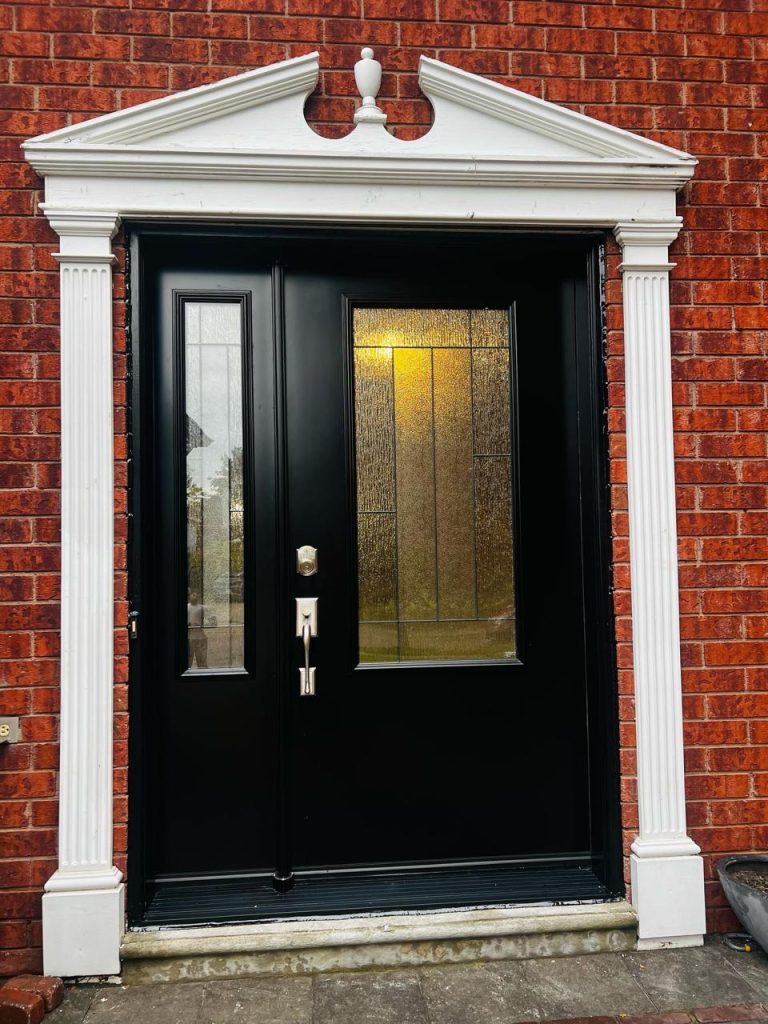
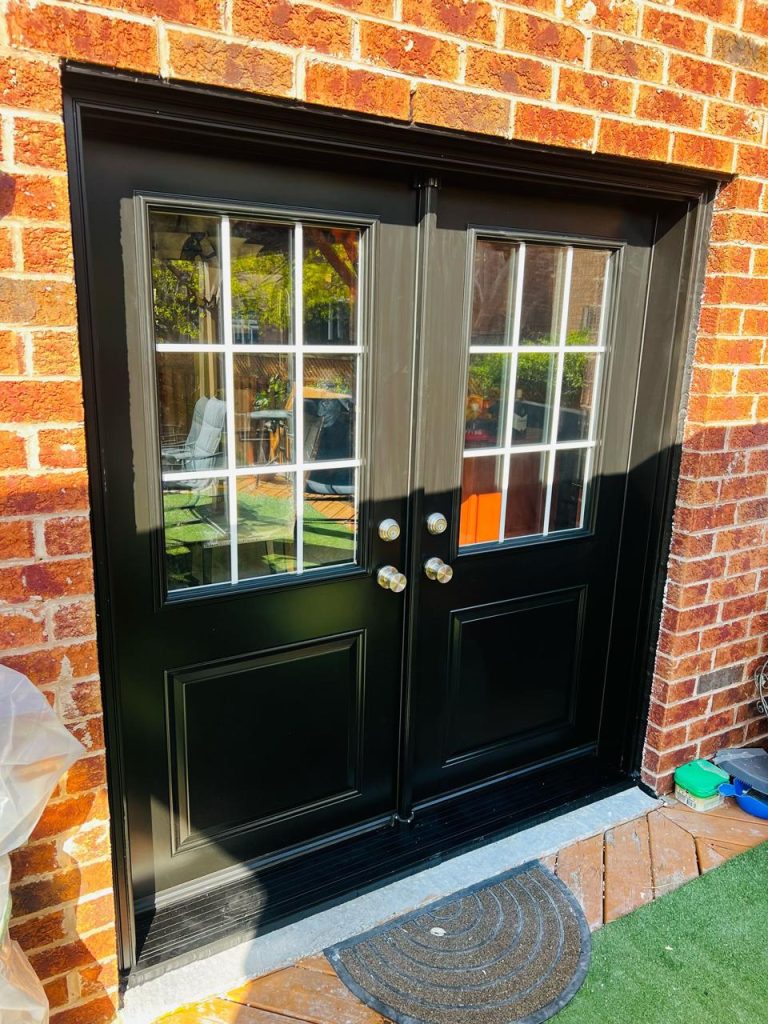
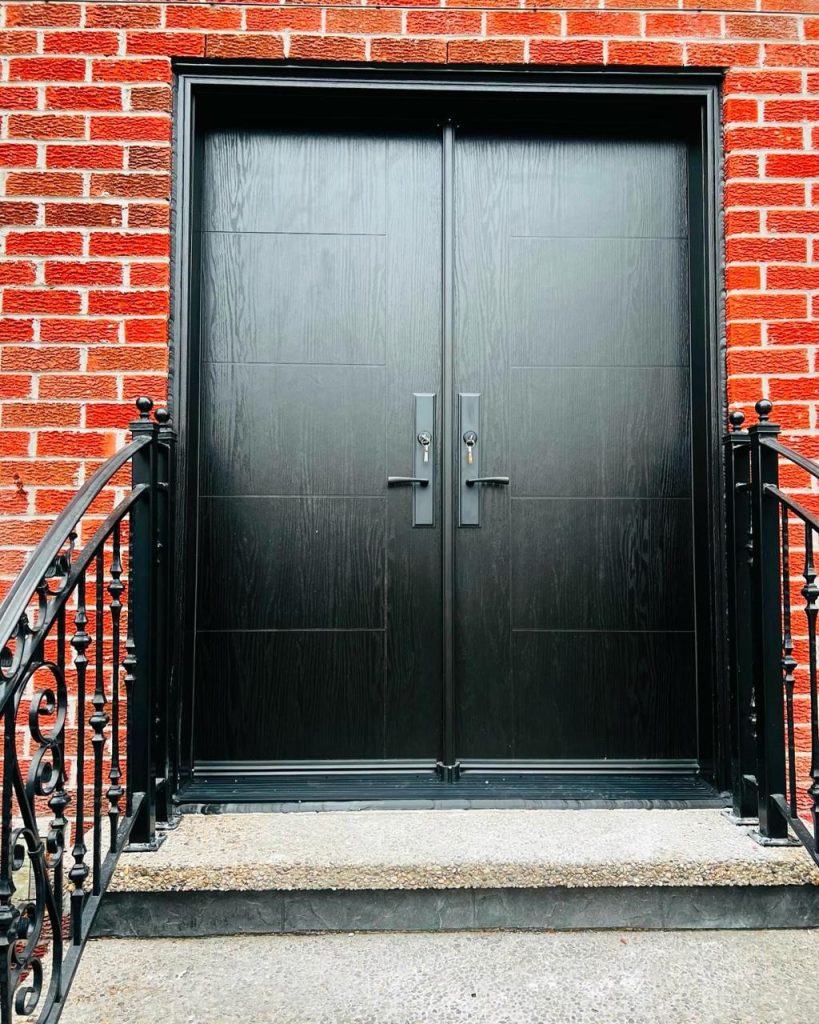
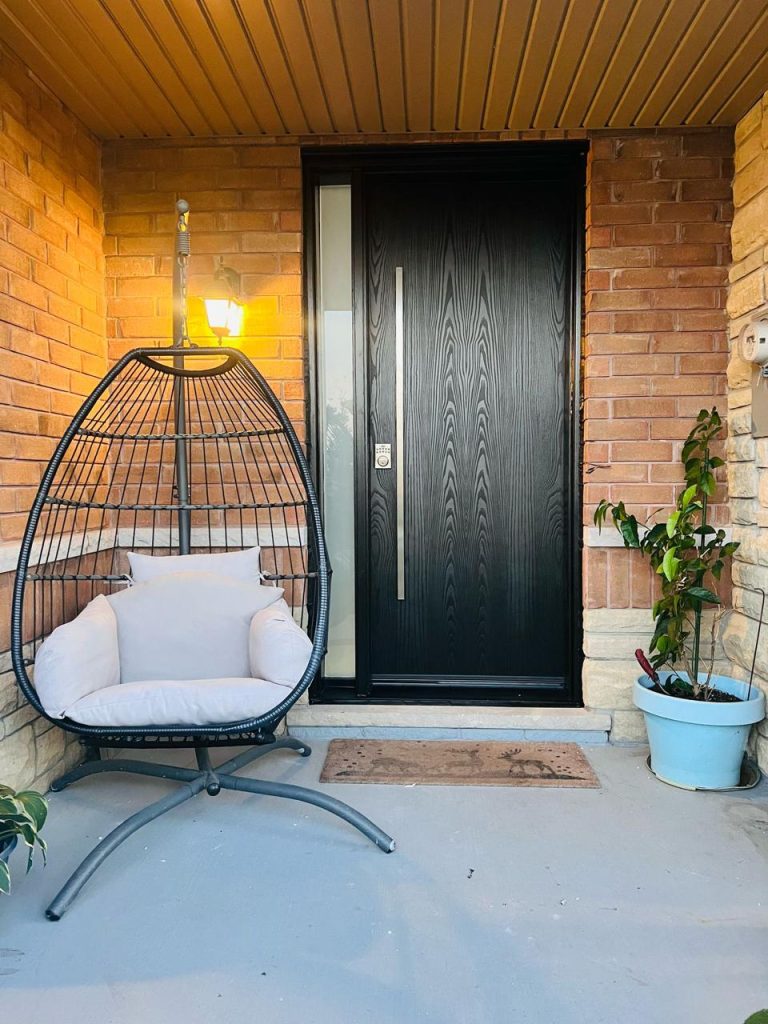
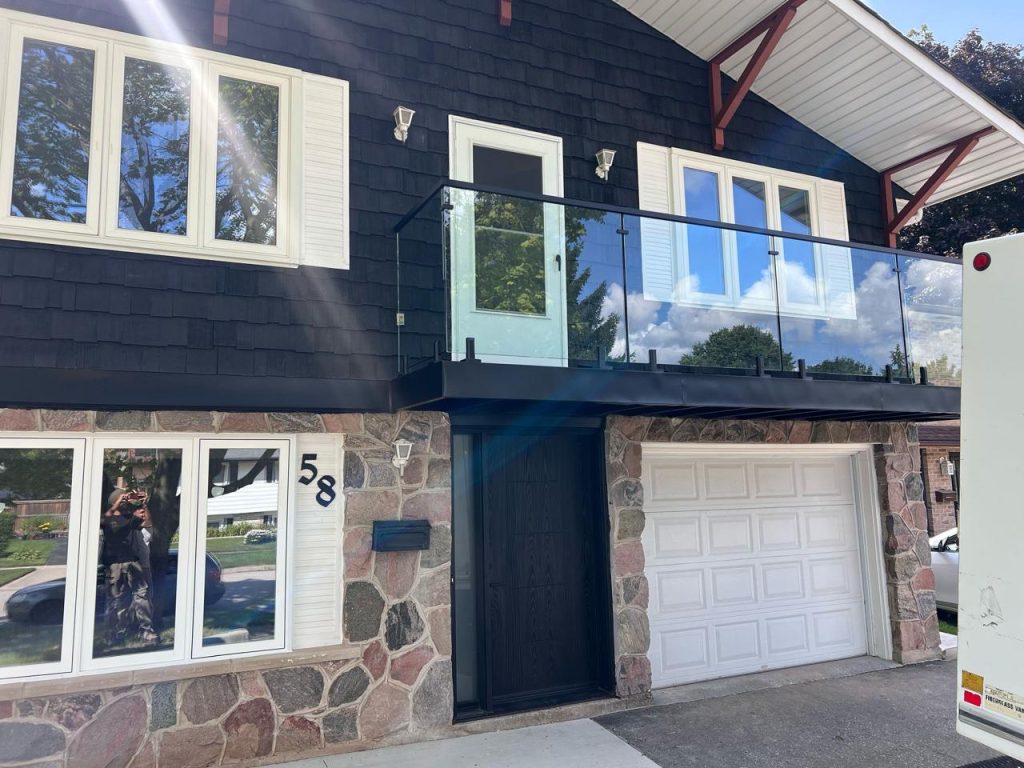
Statement colours, decorative glass, sidelights, transoms, handlesets and coordinated exterior trim can shape the character of an entrance. Compare colours against brick, siding, stone, roofing and garage doors rather than choosing from a small sample in isolation.
A strong design does not need to be overly complicated. Often, consistent proportions, a well-chosen finish and coordinated hardware create a more durable visual result than combining too many decorative elements.
Measuring and Existing Opening Conditions
Door openings can be affected by floor height, trim, framing, masonry, exterior cladding and previous renovations. Accurate measurement is essential, but the visible dimensions alone may not reveal the full condition of the opening.
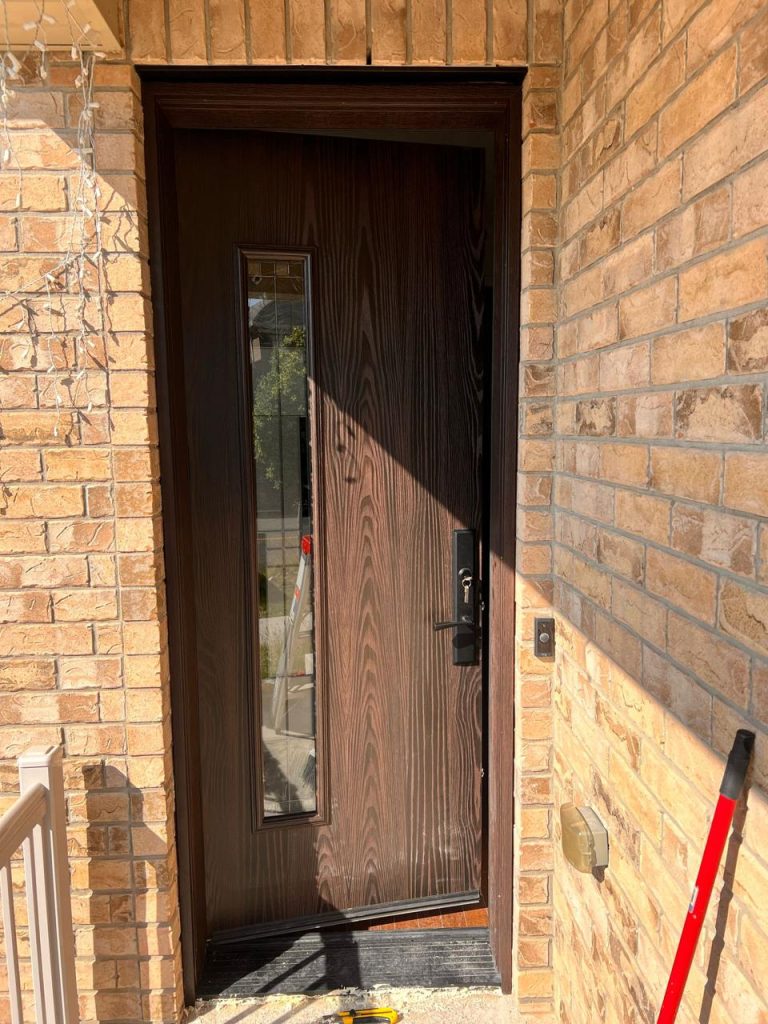
Photograph the entrance from inside and outside. Note steps, railings, porch roofs, lighting, switches, security systems and flooring transitions. These details can affect installation access and finishing.
Installation Planning
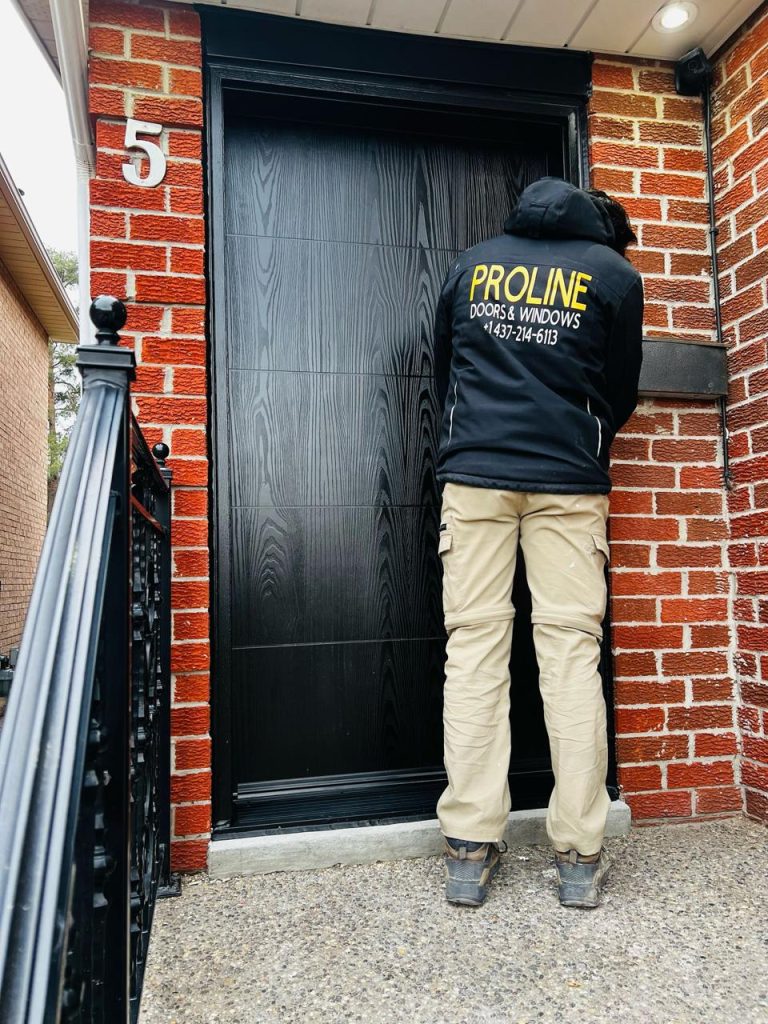
A door must be installed square, plumb and securely fastened so it closes, seals and locks correctly. Frame alignment is especially important because small errors can create rubbing, uneven gaps or locking problems.
Before installation day, clear the entrance area, remove fragile decorations and plan for temporary access if the main door is being replaced. Confirm who is responsible for disposal, trim, caulking, paint touch-ups and any interior finishing.
Maintenance and Seasonal Checks
Keep hinges, locks and moving hardware clean and operating smoothly. Inspect weatherstripping, caulking and the threshold periodically, especially after seasonal changes. Exterior finishes should be cleaned with products suitable for the material.
If the door begins to rub, latch poorly or show uneven gaps, address it early. Small adjustments are easier than allowing hardware or seals to wear under repeated misalignment.
Moisture, Drainage and Thresholds
Exterior entrances must manage water as well as air. The threshold, sill area, exterior caulking and surrounding porch or landing should direct water away from vulnerable joints. Standing water near an entrance can shorten the life of finishes and increase the chance of moisture problems.
Check that exterior grading, mats and door sweeps do not block intended drainage. If the property has a covered porch, exposure may be lower, but wind-driven rain can still reach the opening.
Renovation Sequencing
Door replacement can interact with flooring, siding, masonry, painting, security systems and porch renovations. If other work is planned, coordinate the sequence before ordering. A new threshold installed before finished flooring changes, for example, may require later adjustment.
Clear coordination between trades reduces rework. Document which contractor is responsible for trim, wiring, alarm contacts, paint and exterior finishing so important details do not fall between scopes.
Budget and Quote Comparison
Compare quotes line by line. Confirm door material, size, panel or slab style, glass, frame, hardware, finish, installation, disposal and finishing. Ask whether the quote includes tax, delivery and any special opening preparation.
The lowest price may exclude work that another quote includes. Good value means the proposed system fits the opening, performs reliably and has a clear installation scope, not simply that the initial number is lower.
Property Record System
Create a record for each door: location, dimensions, material, colour, glass pattern, hardware model, keying information, installation date, invoice, warranty and photographs. This is especially useful when multiple doors are replaced over several years.
A property record simplifies maintenance and matching. If a handle, seal or glass unit needs service later, having the original details can save time and reduce guesswork.
Local Property Decision Notes
Before finalising front doors, compare the proposed design with the actual Brampton property. Check exposure to wind and sun, porch cover, neighbouring sightlines, snow accumulation areas, interior flooring and how people use the entrance through the year.
Record the reason for replacement—drafts, damage, security, appearance, accessibility or another issue—and judge the final design against that goal. This keeps the project practical instead of allowing appearance alone to drive every decision.
Related Proline Options
Explore related door styles, windows, glass and installation services and the project gallery. Reviewing connected openings together can help coordinate colours, glass and hardware across the property.
Frequently Asked Questions About Front Doors
What door material should I choose?
The best material depends on exposure, maintenance preferences, design, budget and performance needs. Compare the complete door system rather than material name alone.
How important is professional measurement?
Very important. Frame size, threshold, floor height and surrounding finishes all affect fit and installation.
Can I add more glass without losing privacy?
Yes. Decorative, textured or frosted glass can bring in daylight while limiting direct views.
What causes exterior doors to feel drafty?
Drafts can come from worn weatherstripping, poor threshold contact, frame misalignment or gaps around the installed frame.
Should hardware be chosen before ordering?
Yes. Handles, locks, hinges and other hardware can affect preparation, appearance and daily operation.
How should I prepare for installation?
Clear the entrance, remove fragile items, provide access and confirm who handles trim, disposal and finishing.
How often should weather seals be checked?
A seasonal visual check is useful, especially before winter and after periods of heavy use or extreme weather.
Can a new door improve curb appeal?
Yes. Colour, proportions, glass and hardware can make a strong visual difference, particularly at the main entrance.
Should several doors match exactly?
Not always. Related colours, glass and hardware can create consistency even when the door types serve different functions.
How do I start with Proline?
Photograph the opening and note the main goals, then contact Proline Doors & Windows to discuss the project.
Plan Your Front Doors Project
If you are considering front doors in Brampton, begin with the property needs: entrance role, security, weather exposure, preferred appearance, accessibility and budget. Proline Doors & Windows can help you compare practical options for Brampton and surrounding communities.
Front Entrance Property Check
Stand at the street, driveway and inside foyer before finalising a front door. Check proportions, sightlines, porch lighting, house numbers, mailbox location, seasonal decorations and the path people use when entering. This short property check helps confirm that the door will work visually and practically from the positions where it is actually seen and used most often.