
Residential Windows in Brampton: Complete Property Planning Guide
Residential Windows are best selected as part of a property system rather than as an isolated purchase. Their design, operation, glass, frame, installation and location all affect comfort, appearance, maintenance and long-term value. Proline Doors & Windows serves Brampton and surrounding communities, where cold winters, warm summers and varied housing styles make careful product selection especially important.
This guide explains how to evaluate residential windows, what to compare before ordering, how they interact with the rest of a home, and what homeowners should record for future maintenance. In this category, the typical operation is a coordinated mix of fixed and operating styles. They are especially useful for whole-home replacement projects where different rooms need different combinations of light, ventilation and privacy. A residential window plan is strongest when the whole property is considered as a system.
How Residential Windows Work
Understanding the operating style is the first step. A coordinated mix of fixed and operating styles changes how the window handles ventilation, cleaning, hardware, screens and furniture placement. Ventilation needs should be planned room by room rather than assuming one operating style suits the entire home. Before choosing a size or configuration, think about how the room is used through the day, whether the window will be opened frequently and whether occupants need easy access to handles or locks.
A good choice should feel natural in everyday use. The opening direction, reach distance, nearby furniture, curtain position and exterior obstacles all matter. When a window looks good in a catalogue but conflicts with the room layout, the inconvenience is noticed every day.
Best Uses Around a Property
Residential Windows can work well in whole-home replacement projects where different rooms need different combinations of light, ventilation and privacy. The strongest applications are usually those where the product’s operating style supports the room rather than fighting it. Consider what the space needs most: daylight, ventilation, privacy, views, security or a combination of these.
Room orientation also matters. Street-facing rooms may need more privacy, garden-facing rooms may prioritise views, and bedrooms may need a different balance of ventilation and safety than living rooms. Avoid using the same window configuration everywhere simply for convenience.
Frame Materials and Finishes
Frame material affects appearance, maintenance, thermal behaviour and long-term care. Common residential options can include vinyl, aluminium, fibreglass and hybrid systems. The correct choice depends on the product line, opening size, finish expectations and how the frame will relate to the rest of the house.
For Residential Windows, design considerations often include consistent exterior sightlines, coordinated frame colours and room-specific operating styles. Exterior colour should be checked against brick, siding, stone and roofing, while interior finish should work with trim, flooring and paint. Hardware colour and visible frame proportions should also be reviewed before ordering.
Glass Options and Thermal Performance
Glass is a large part of most window assemblies, so glazing choices affect comfort and performance. Insulated glass units, low-emissivity coatings and gas fills can help manage heat transfer. The best specification depends on orientation, amount of glazing, room use and the balance between winter heat loss and summer solar gain.
Bigger glass areas can improve daylight and views, but they should be evaluated with shading, privacy and indoor comfort in mind. A high-performance glass package still relies on correct frame installation and perimeter sealing to perform as intended.
Energy Efficiency in Brampton’s Climate
Brampton experiences significant seasonal temperature changes. In winter, air leakage and cold interior surfaces can affect comfort. In summer, solar heat through large windows can increase cooling demand. That is why frame seals, glass configuration, spacers and installation quality must be considered together.
A residential window plan is strongest when the whole property is considered as a system. Ask for clear product information rather than relying only on marketing terms. Compare the complete window specification, and remember that energy performance is a property of the installed system, not only the factory-built unit.
Ventilation and Indoor Comfort
Ventilation needs should be planned room by room rather than assuming one operating style suits the entire home. Ventilation can support comfort, reduce stuffiness and help manage indoor humidity when outdoor conditions are suitable. The amount of opening, location in the room and relationship to other windows can influence air movement.
A useful property plan looks at cross-ventilation rather than treating each opening independently. If one side of a room or floor has fixed glazing, nearby operating windows may need to carry more of the ventilation role. This is especially important when several openings are being replaced at once.
Privacy, Views and Daylight
Windows shape how a room connects with the outdoors. Consistent exterior sightlines, coordinated frame colours and room-specific operating styles can influence both the amount of daylight and the character of the view. In living areas, a clear view may be the priority; in bathrooms, bedrooms or street-facing spaces, privacy may matter more.
Consider sill height, neighbouring properties, exterior lighting and interior furniture. Privacy solutions can include window coverings, different glass treatments or changes in window placement and proportions. The best solution should preserve useful daylight where possible.
Security and Safety
Window security depends on locking hardware, frame strength, glass type, installation and how accessible the opening is from outside. Ground-floor and easily reached windows may deserve additional attention. For operating windows, check that locks engage smoothly and consistently rather than requiring force.
Safety glazing may be relevant near doors, stairs, bathrooms or other locations depending on the application. Families should also consider child safety and whether operating sections are easy to control. Security should support everyday usability rather than make the window difficult to operate.
Measuring and Existing Opening Conditions
Accurate measurement is essential, but the visible opening does not tell the whole story. Existing trim, frame depth, exterior cladding, sill condition and previous repairs can influence how a replacement is installed. Older openings may reveal hidden issues only after the existing unit is removed.
Before final ordering, document the opening from inside and outside. Note nearby masonry, siding, decks, railings, cabinetry or built-ins. This helps the project team anticipate access and finishing needs and reduces surprises during installation.
Installation Planning
A quality window depends on proper installation. The unit must be set square and level, fastened appropriately, insulated around the perimeter and sealed against weather. Poor alignment can affect operation, locking and drainage even when the product itself is well made.
Prepare the work area by moving furniture, blinds, curtains and fragile objects. Confirm who is responsible for removing old materials, protecting flooring, completing interior trim and finishing exterior details. Clear scope is one of the best ways to avoid misunderstandings.
Maintenance and Seasonal Checks
Routine maintenance helps windows continue to operate correctly. Keep tracks, drainage paths and hardware clean. Use suitable cleaners on glass and frame surfaces, and avoid abrasive products unless specifically recommended. Operating hardware may occasionally need adjustment or lubrication according to manufacturer guidance.
At least seasonally, check weather seals, caulking, drainage paths and operation. A small issue such as a loose handle or blocked drain is easier to address before it becomes a larger comfort or moisture problem.
Condensation and Humidity
Condensation is affected by indoor humidity, outdoor temperature, air movement and interior surface temperature. Newer windows may provide warmer interior glass surfaces than older units, but they cannot control all indoor moisture. Cooking, bathing, humidifiers and drying clothes can raise indoor humidity.
If condensation is a concern, look at the whole indoor environment. Ventilation, heating patterns, window coverings and room airflow can all influence what happens at the glass. Avoid assuming that any visible condensation automatically means the window has failed.
Noise Considerations
Properties near busy roads, schools or commercial areas may benefit from additional attention to noise. Glass thickness, insulated glass configuration, frame sealing and installation all influence perceived sound transmission. No residential window can create complete silence, but thoughtful choices can improve indoor comfort.
If sound is a priority, mention it before ordering. A product selected only for energy performance may not be the best option for noise control, and the most suitable glazing package can differ depending on the source and frequency of the sound.
Design Consistency Across the Home
When several windows are visible from the same exterior elevation, frame colour, grille patterns and sightlines should feel coordinated. Inside, trim style and frame proportions should work with the architecture of the room. Consistency does not always mean every window must be identical.
A whole-home plan can use different operating styles while keeping visual elements related. This is useful when bedrooms, kitchens and living spaces need different functions but the exterior should still look intentional.
Budget and Quote Comparison
Compare quotes by scope, not only total price. Confirm the exact product, glass package, frame colour, hardware, quantity, installation method, disposal, trim and finishing. Ask what is excluded and how unexpected opening conditions would be handled.
The lowest quote is not automatically the best value if it excludes important work. Likewise, the highest price does not guarantee the best fit. A good quote should make it easy to understand what you are buying and why it suits the property.
Property Record System
Create a simple record for each opening. Save the room name, approximate size, product model, glass specification, frame colour, hardware, installation date, invoice, warranty and a few photographs. If several windows are replaced over time, this record helps maintain consistency and simplifies future service.
A property record is also useful when selling a home because it provides evidence of upgrades and dates. Keeping digital copies in one folder is often enough; the important part is that information can be found when needed.
Related Proline Options
A residential windows project may be connected with other upgrades. Review the Windows overview, Doors, Services and Gallery. Looking at related products together can improve consistency across the property and make it easier to coordinate colours, glass and hardware.
Frequently Asked Questions About Residential Windows
Are Residential Windows suitable for Canadian winters?
They can be, when the product specification, glass, seals and installation are appropriate for the opening and climate. Compare complete performance information rather than one feature.
How do I choose the right size?
Size should be based on the existing opening, structure, room needs and product limits. Final measurements should be confirmed before ordering.
Can I mix this style with other window types?
Yes. Many homes use several styles so that each room gets the right balance of ventilation, daylight, privacy and view.
What should I ask about glass?
Ask about insulated glass configuration, low-emissivity coatings, spacer system, safety glazing where relevant and how the glass choice affects comfort.
Does colour affect performance?
Colour is mainly a design choice, but darker exterior finishes can absorb more heat. Product-specific limitations should be checked with the manufacturer.
How should I prepare for installation?
Clear the work area, remove fragile items and window coverings as requested, provide access and confirm finishing responsibilities in advance.
What maintenance is normally required?
Keep frames, tracks, drainage paths and hardware clean, inspect seals and caulking, and address difficult operation early.
How can I reduce drafts?
Good product seals matter, but perimeter installation and sealing around the frame are equally important. Drafts can also come from other parts of the room.
Should I replace all windows at once?
Not necessarily. Some homeowners phase the work. A whole-home plan helps keep later replacements visually and technically consistent.
How do I start with Proline?
Collect photos and basic information about the openings, then contact Proline Doors & Windows to discuss the project.
Plan Your Residential Windows Project
If you are considering residential windows in Brampton, begin with the property goals rather than a product label. Identify the rooms, comfort issues, preferred look, ventilation needs and budget, then compare options against those priorities. Proline Doors & Windows can help organise the next steps for homes in Brampton and surrounding communities.
Local Property Decision Notes
Before finalising the order, compare the proposed window with the actual Brampton property rather than a showroom sample alone. Check exterior exposure, neighbouring sightlines, room furniture, heating and cooling patterns, planned renovations and the condition of surrounding finishes. Photograph the opening and record the reasons for replacement so the final choice can be judged against the original problem. This simple property-based review helps keep the project practical, reduces avoidable changes later and creates a clearer reference for future maintenance or additional window replacements.
Standard Window Features
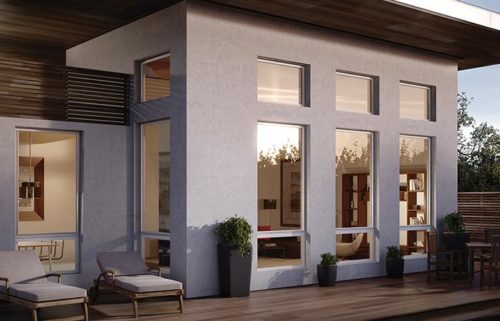
Residential windows provide abundant natural light, creating bright and inviting living spaces.
They allow for proper air circulation, helping maintain a fresh and comfortable indoor environment.
Many windows are designed with energy-efficient features like double glazing and low-E coatings, reducing heating and cooling costs.
Various window styles, from casement to bay windows, cater to different architectural and design preferences.
Sturdy locks and impact-resistant glass enhance home security and peace of mind.
Residential windows contribute significantly to a home’s exterior aesthetics, enhancing its overall curb appeal.
- Modern designs often feature easy-to-clean materials and mechanisms, reducing maintenance hassles.
Well-maintained and energy-efficient windows can increase a home’s resale value.
If you need some window ideas, we’ve put together a gallery of window inspirations:
Some windows offer soundproofing benefits, reducing noise from the outside world.
Homeowners can choose from various privacy features like frosted glass or window treatments.
Ready to Plan Your Project?
Tell Proline Doors & Windows what you want to improve, and we’ll help you review practical options for your Brampton property.
Serving Brampton and surrounding communities with door, window and glass solutions designed around real property needs.